
GEO tutorials: search-visible pages that assistants can cite
We connect search-side fundamentals with GEO publishing—definitions, evidence, and extractable sections—so the same URL can rank and be quoted accurately in AI answers.
These guides are written for teams that ship content under real constraints—not slogan decks. We tie search engine optimization (discoverability, intent, on-page clarity) to GEO publishing patterns (entities, verifiable claims, extractable blocks). That pairing matters because assistants built on large language models tend to quote pages that are both indexed and easy to ground—and because web crawlers can only cite what they can fetch and parse. Each article states what to change, why it affects citation likelihood, and how to verify the outcome.
Use search and topic filters to pick your starting point. If you are new, begin with "AI-citable content basics" and the definition template. If you already run SEO programs, start with "SEO supports GEO" and align stakeholders before rewriting pages.
Topic
Tag Cloud
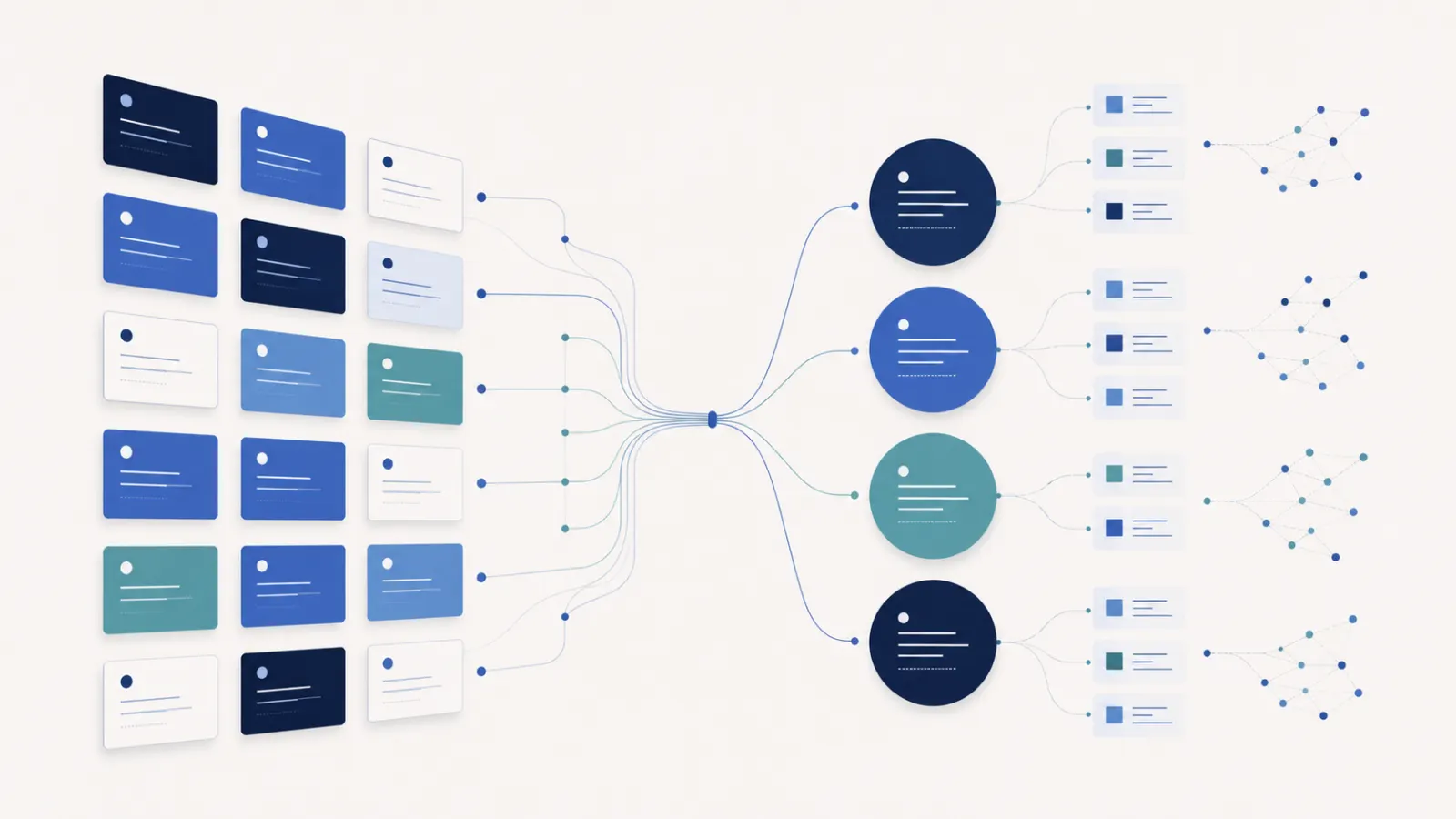
How to Build a GEO Prompt Set That Produces Useful AI Visibility Data
Build a reproducible GEO prompt set from customer jobs, buying stages, entities, modifiers, markets, and a fixed sampling contract.
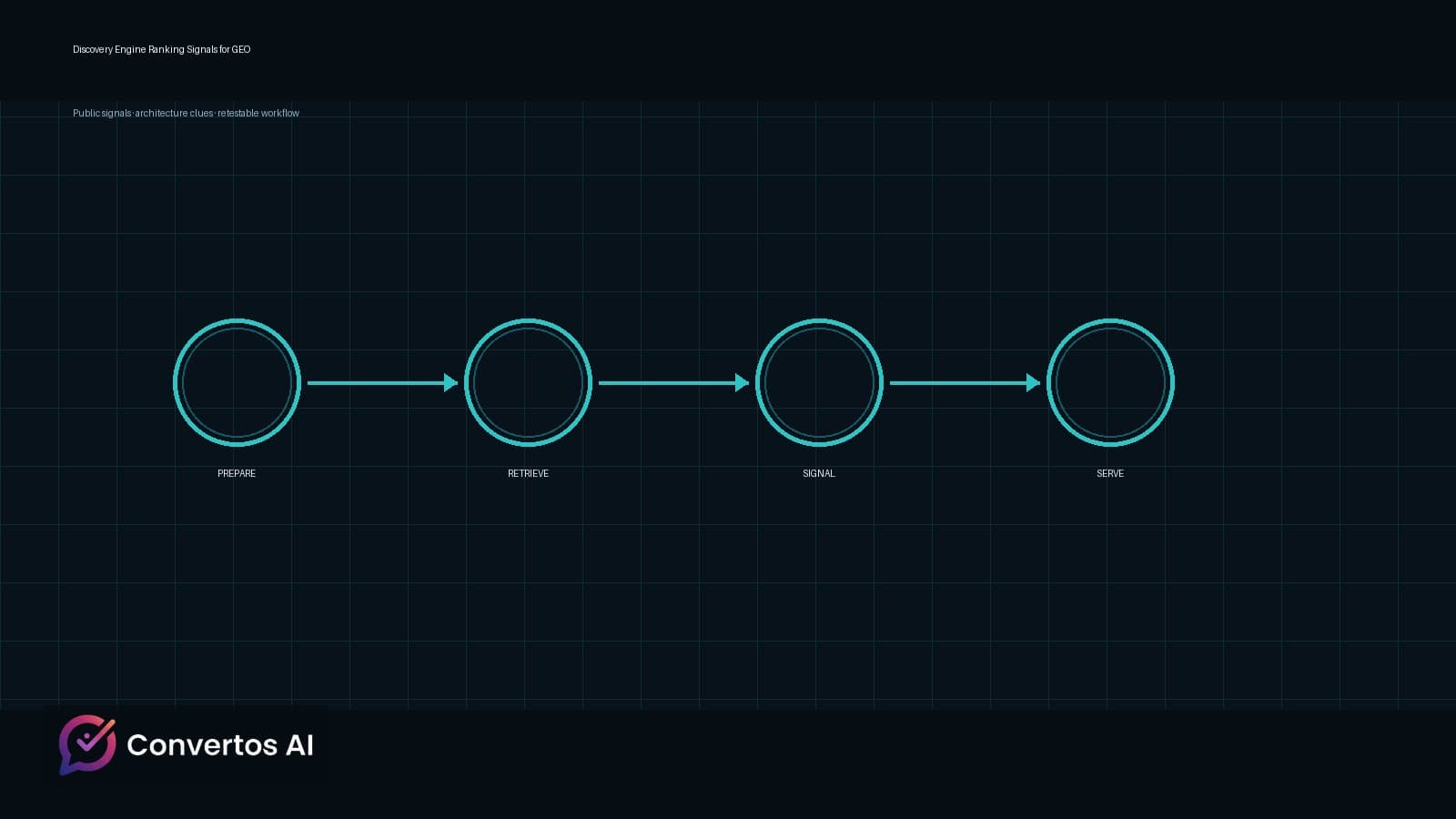
Google Discovery Engine Ranking Signals: What They Reveal for AI Mode and GEO
What Google Cloud Discovery Engine ranking signals reveal for AI Mode and GEO: seven signals, chunking rules, checklist, metrics, and source caveats.
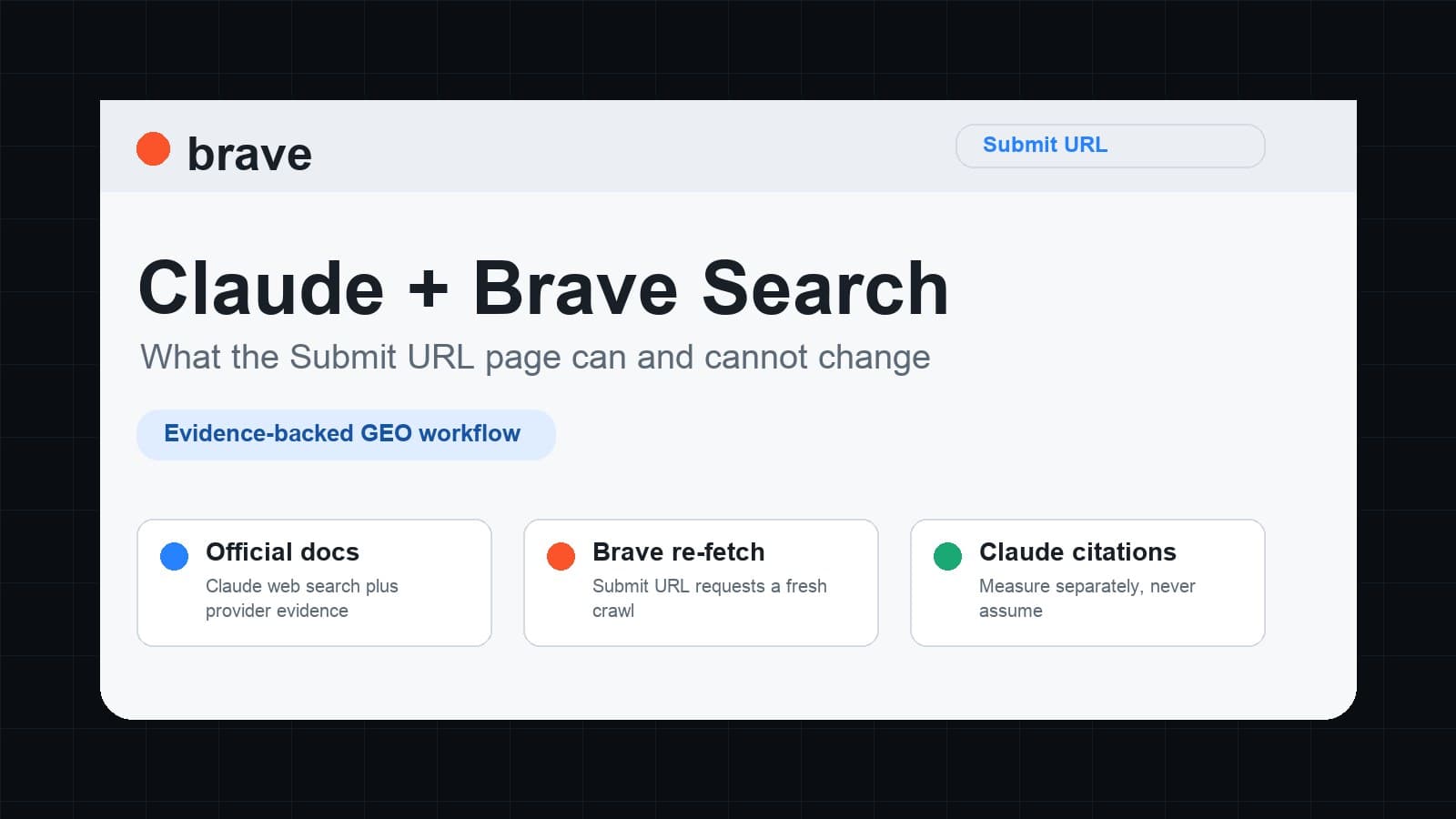
Does Claude Use Brave Search? What the Brave Submit URL Page Actually Changes
Evidence-backed guide to Claude web search, Brave Search, and Brave Submit URL. Learn what is official, what is inferred, and how to test AI visibility.
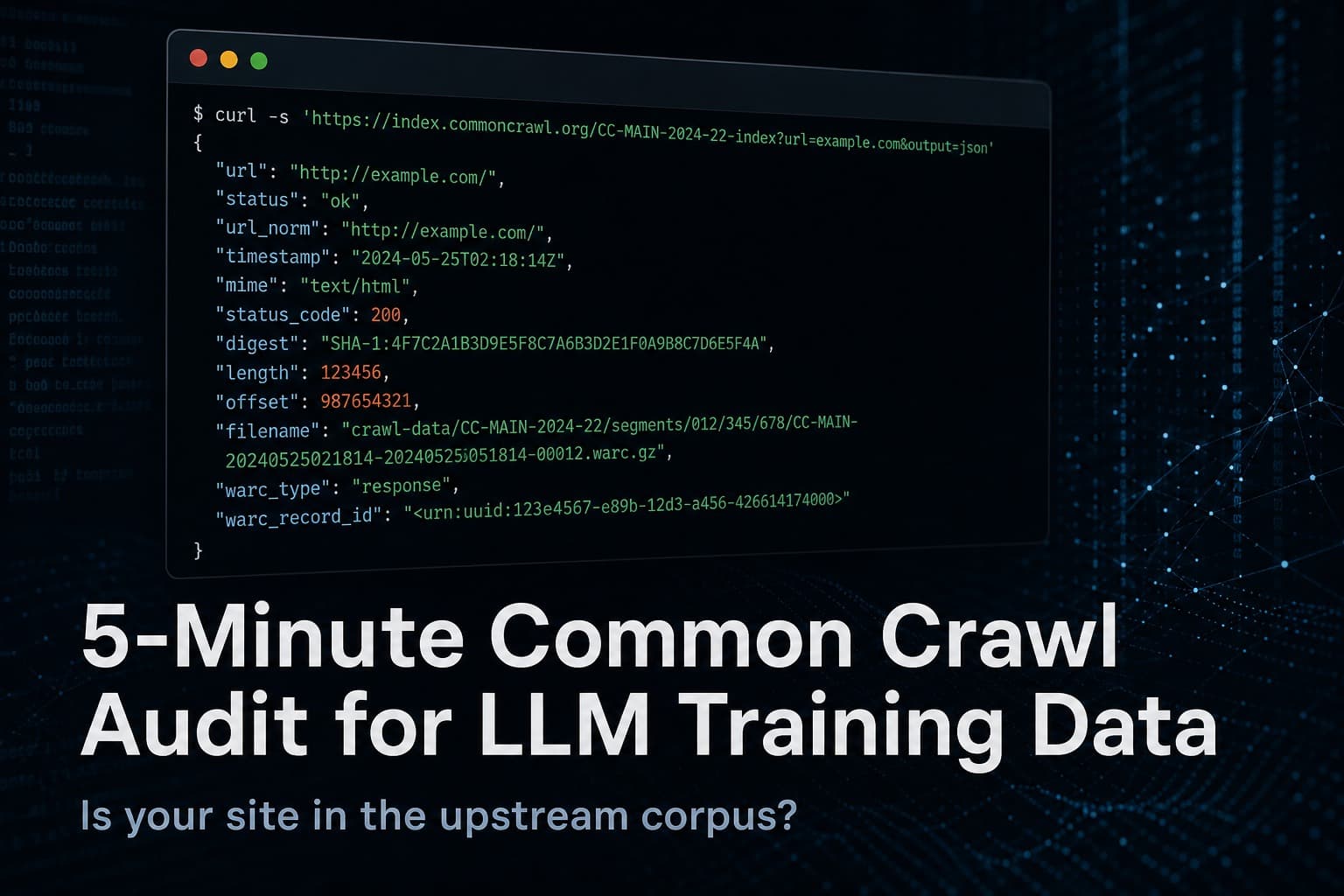
How to Audit Whether Your Site Is in Common Crawl (5-Minute LLM Training Data Check)
Check if your site is in Common Crawl with the CDX API in five minutes. Covers CCBot robots rules, curl commands, scoring rubric, and what CC presence does not prove about LLM training.
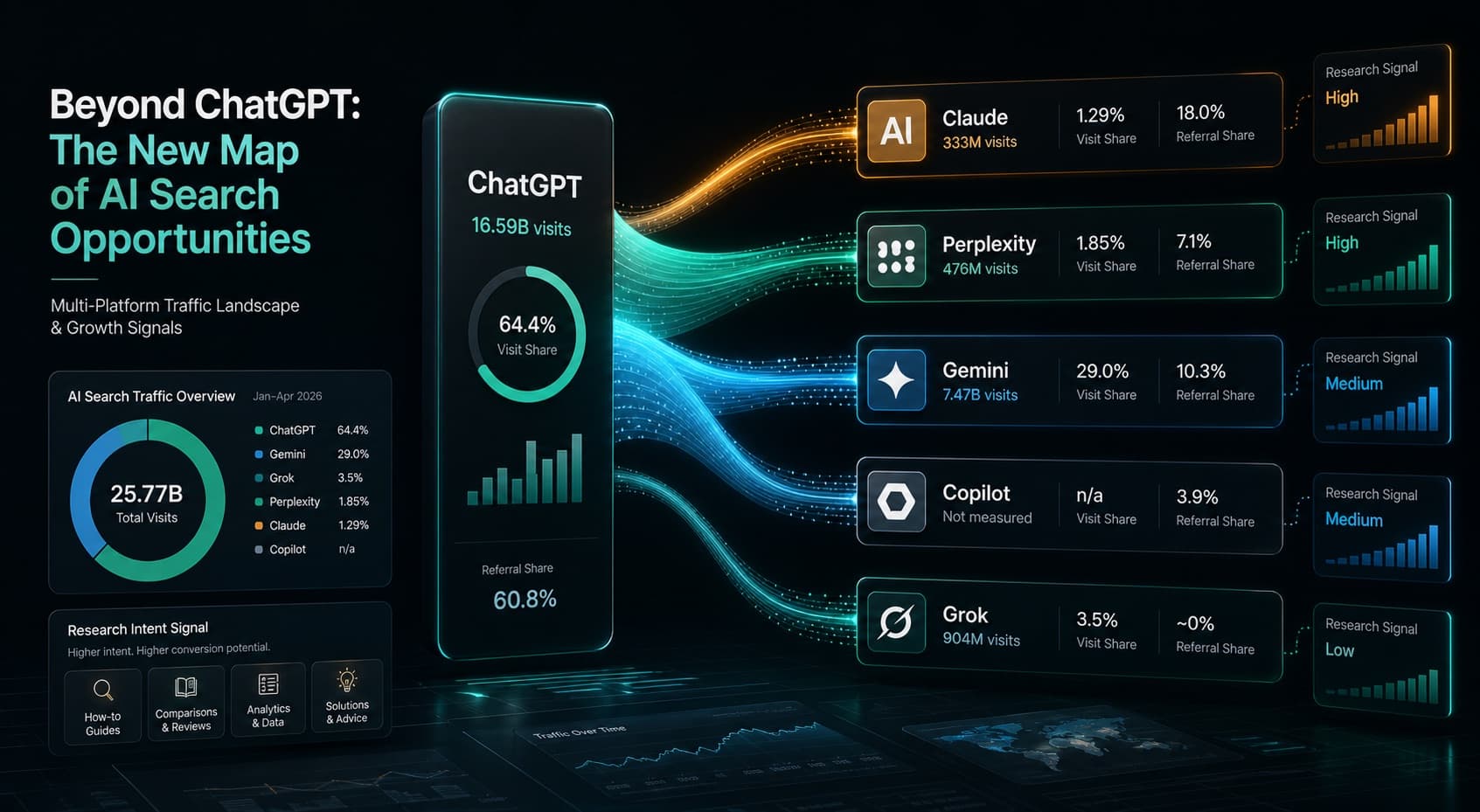
GEO Beyond ChatGPT: Do Claude, Perplexity, and Gemini Still Offer Growth Opportunities?
Use Goodie’s 2026 AI search table and anonymized data to decide whether Claude, Perplexity, Gemini, and other non-ChatGPT platforms deserve GEO work.
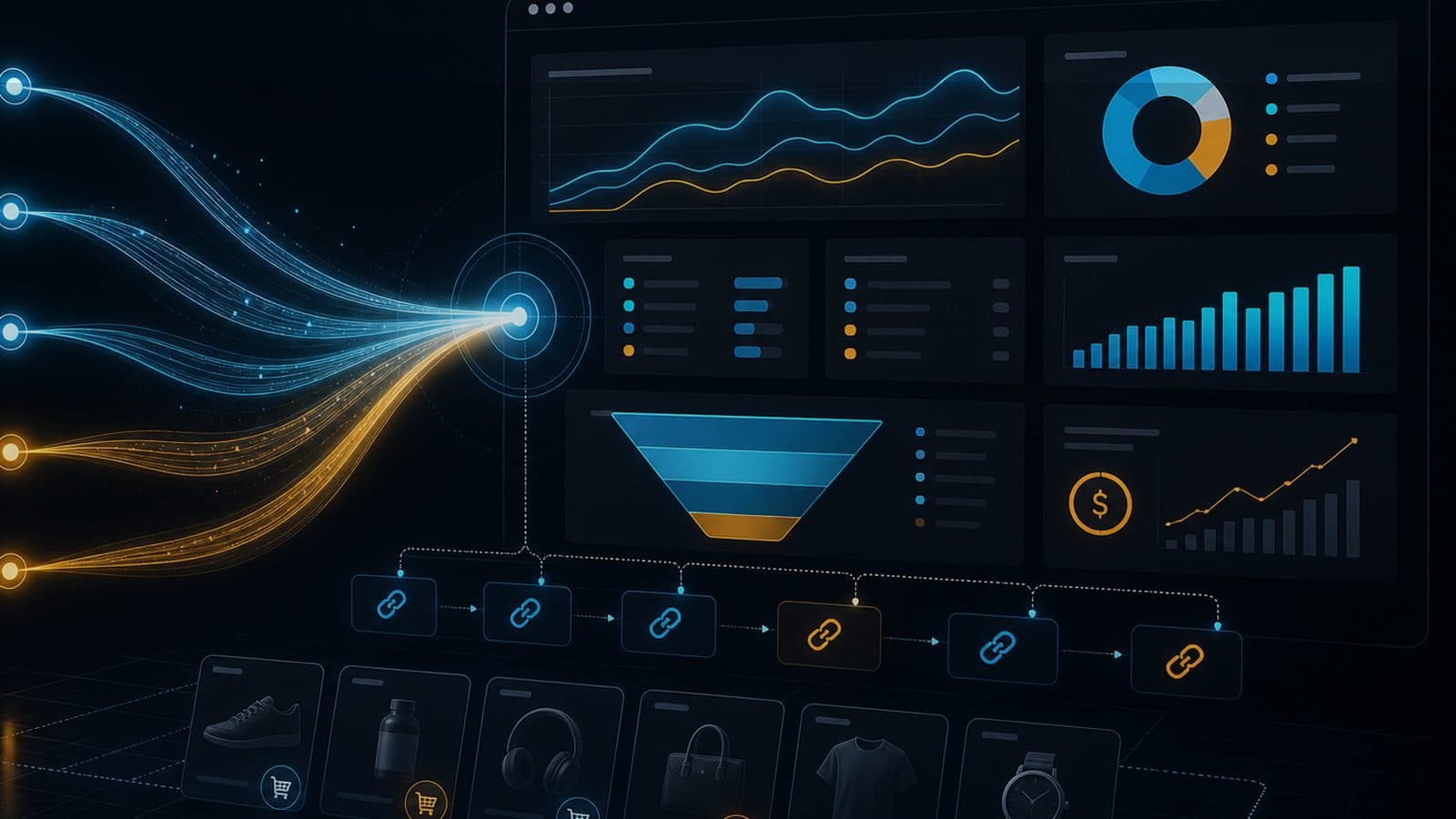
AI Search Traffic Beyond ChatGPT: What Ecommerce Teams Should Track Next
A practical guide to tracking AI search traffic beyond ChatGPT with platform mix, page type, conversion quality, and anonymized ecommerce benchmarks.
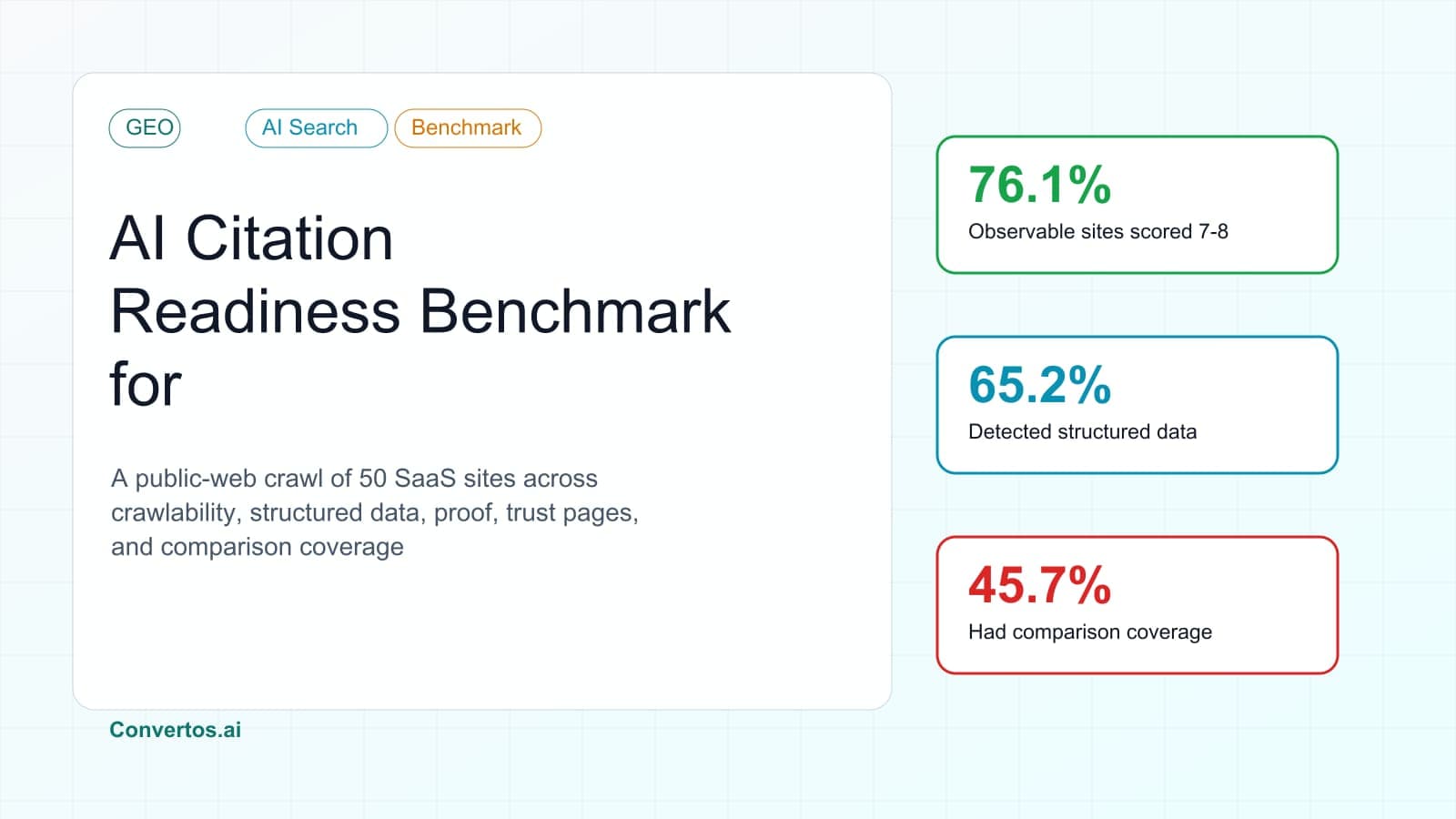
AI Citation Readiness Benchmark for B2B SaaS
A practical AI citation readiness benchmark for B2B SaaS guide covering workflow, checklist, metrics, source evaluation, and GEO-ready answer blocks for AI search visibility.
Read tutorial
Product Feeds as GEO Infrastructure
Use product feeds, Product structured data, merchant listings, and page consistency checks as the factual layer for AI answers.

The brand earned an early citation, but almost never made the answer
In 56,119 AI answers, mention rate was 6%, citation rate was about 1%, and average citation order was 2.5. The bottleneck was inclusion, not source order.

A 6% AI mention rate looked acceptable until branded prompts were removed
A 56,119-answer dataset shows why branded AI prompts inflate perceived visibility and how to build a defensible non-brand measurement set.
Perplexity SEO Rank Tracking Guide for Search and GEO Teams
A practical guide for adding Perplexity answer visibility, citations, and competitor replacement to an existing SEO rank tracking workflow.
How to Track Perplexity Citations and Turn Them Into Page Fixes
A step-by-step Perplexity citation tracking workflow: prompts, cited URLs, owned vs competitor sources, crawler access, schema, and internal links.
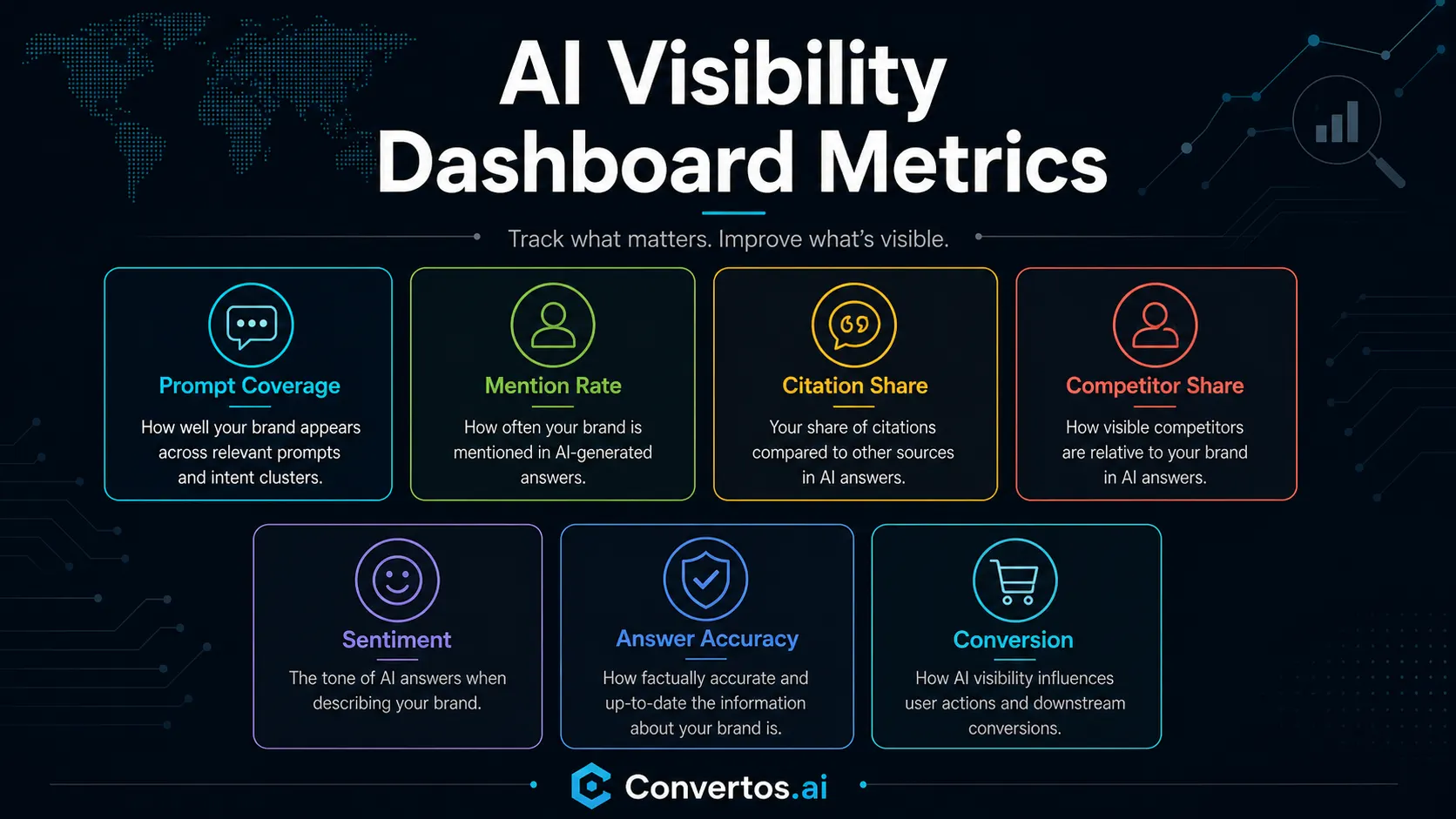
AI Visibility Dashboard Metrics: What GEO Teams Should Track
A practical framework for AI visibility dashboard metrics, including prompt coverage, mention rate, citation share, sentiment, answer accuracy, and conversion.
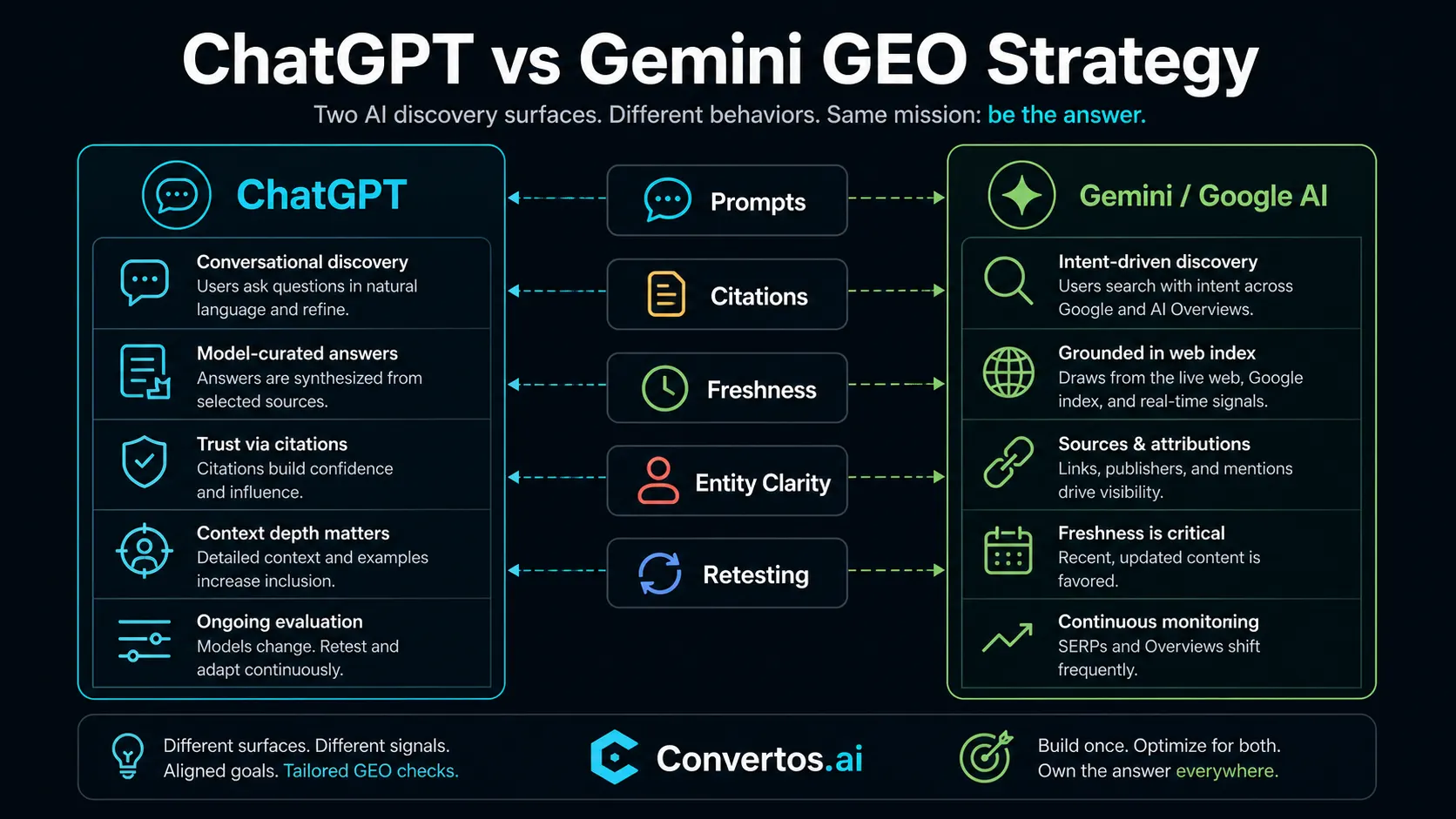
ChatGPT vs Gemini GEO Strategy: What Brands Should Optimize Differently
Compare ChatGPT and Gemini for GEO strategy: prompts, citations, freshness, Google AI surfaces, brand mentions, and page-level optimization.
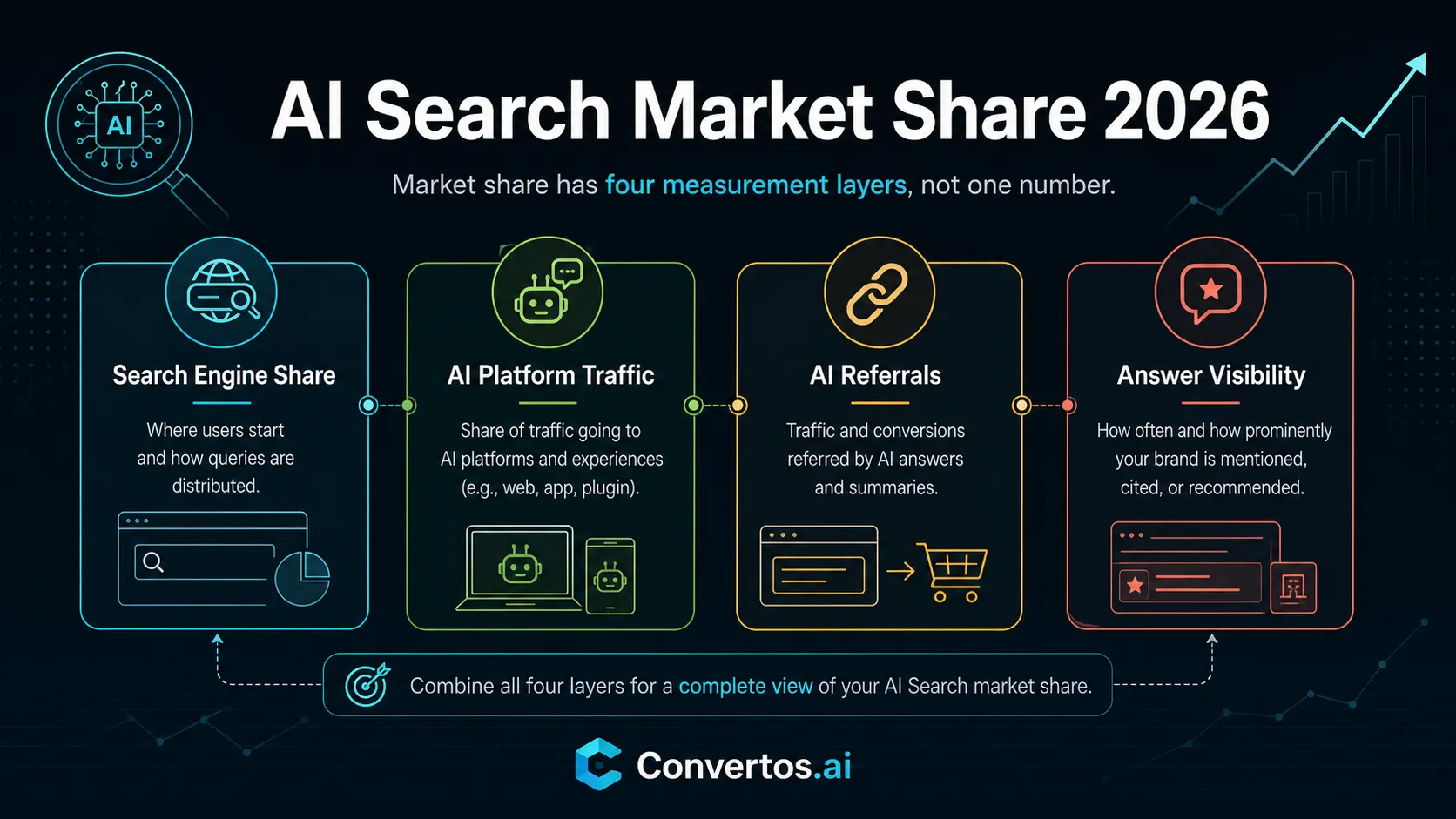
AI Search Market Share 2026: What The Numbers Mean For GEO
A practical guide to reading AI search market share in 2026, including search engine share, AI chatbot traffic, AI referrals, and brand visibility metrics.
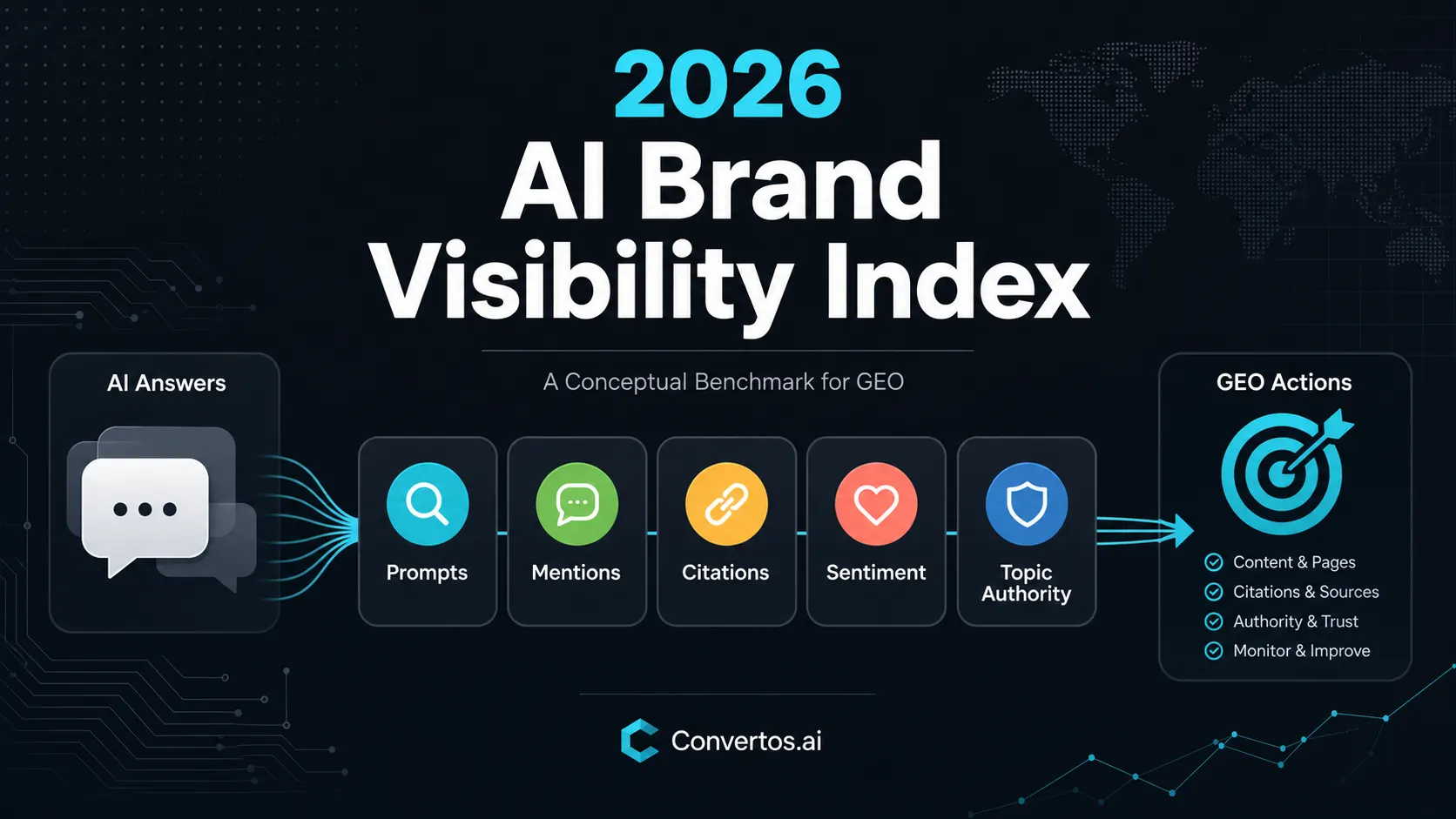
What Similarweb’s 2026 Generative AI Brand Visibility Index Means for GEO
A practical GEO interpretation of Similarweb’s 2026 Generative AI Brand Visibility Index, with benchmark signals, limits, and a page-level action workflow.
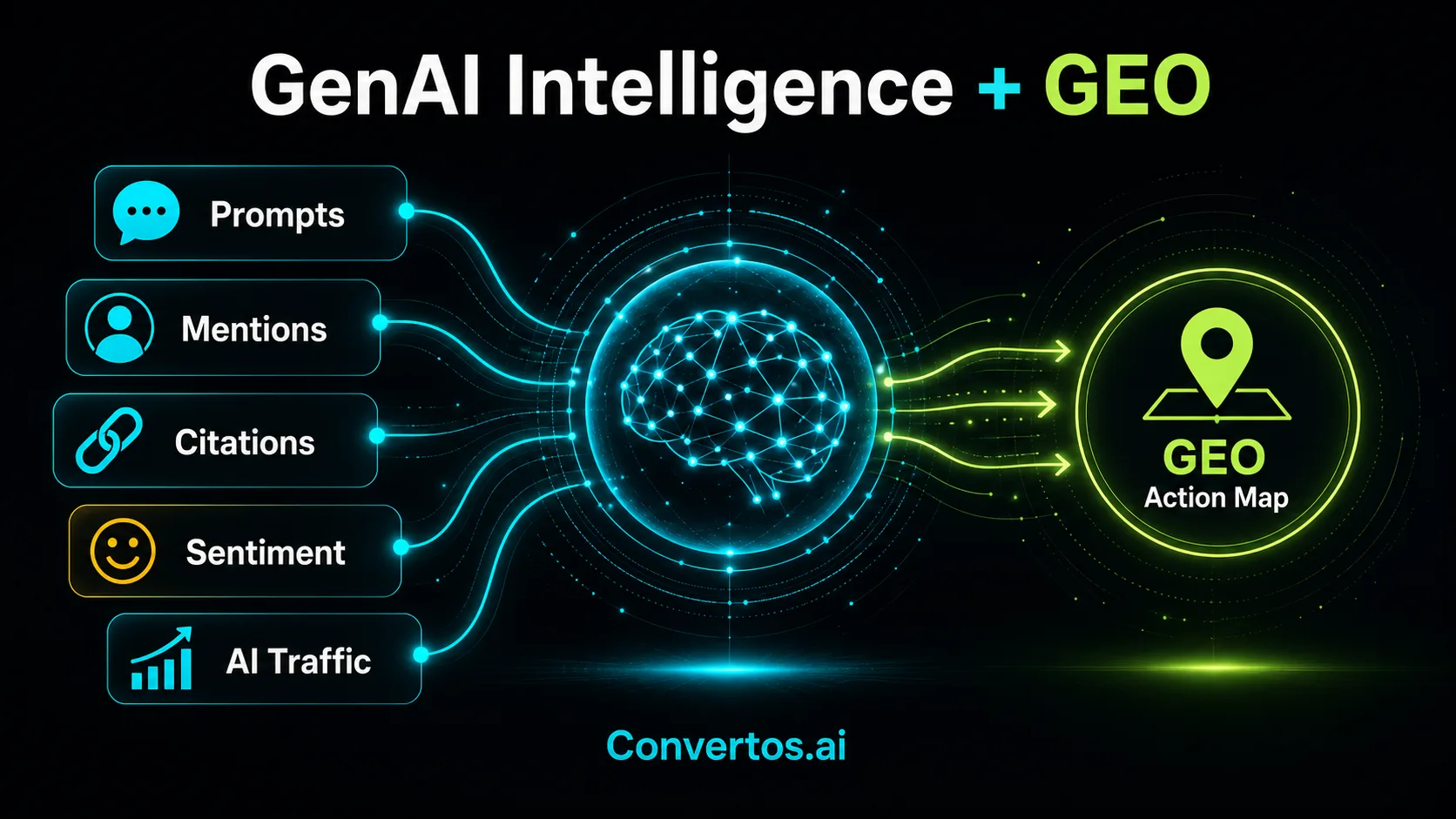
How Similarweb’s GenAI Intelligence Suite Supports GEO
A practical GEO guide to Similarweb’s GenAI Intelligence and AI Search Intelligence signals: prompts, brand visibility, citations, sentiment, and AI traffic.
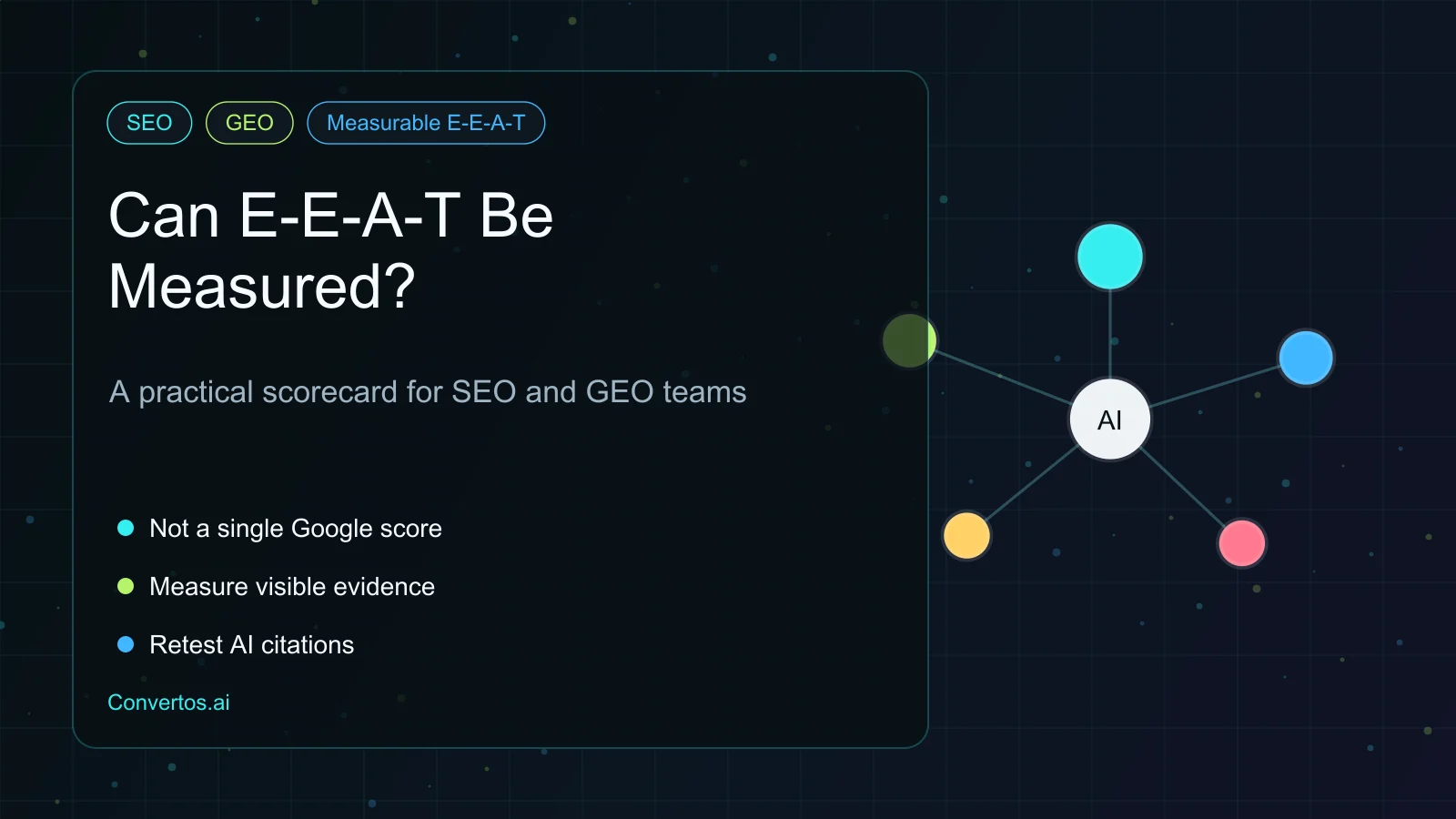
Can E-E-A-T Be Measured? A Practical SEO and GEO Scorecard
A practical SEO and GEO guide to measuring E-E-A-T with cautious, source-backed proxy metrics: semantic completeness, entity coverage, sourcing, schema, and AI citation monitoring.
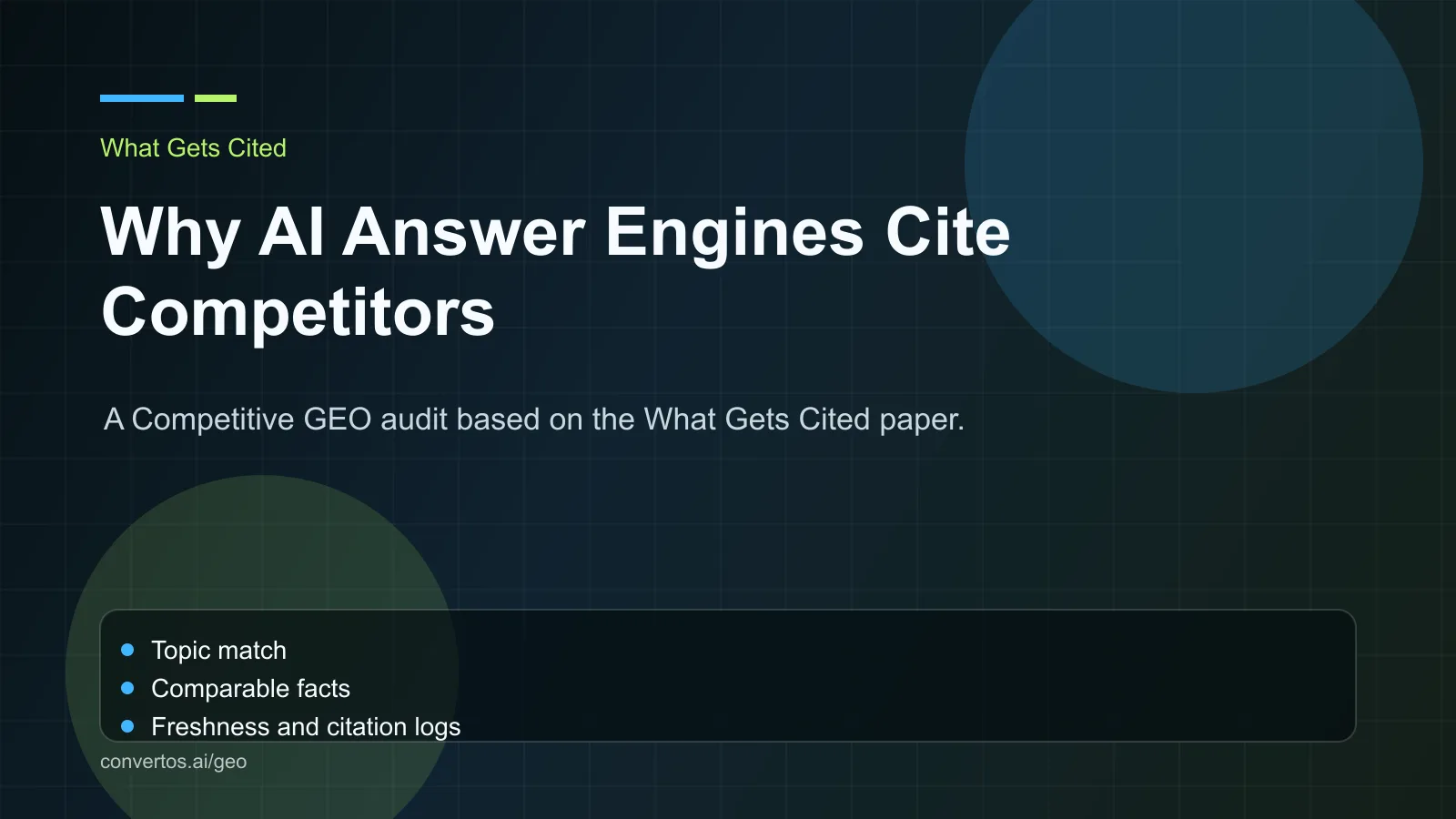
What Gets Cited: Why AI Answer Engines Cite Competitors
Diagnose why AI answer engines cite competitors with citation mining, retrieval-versus-selection checks, source-role analysis, and controlled retesting.
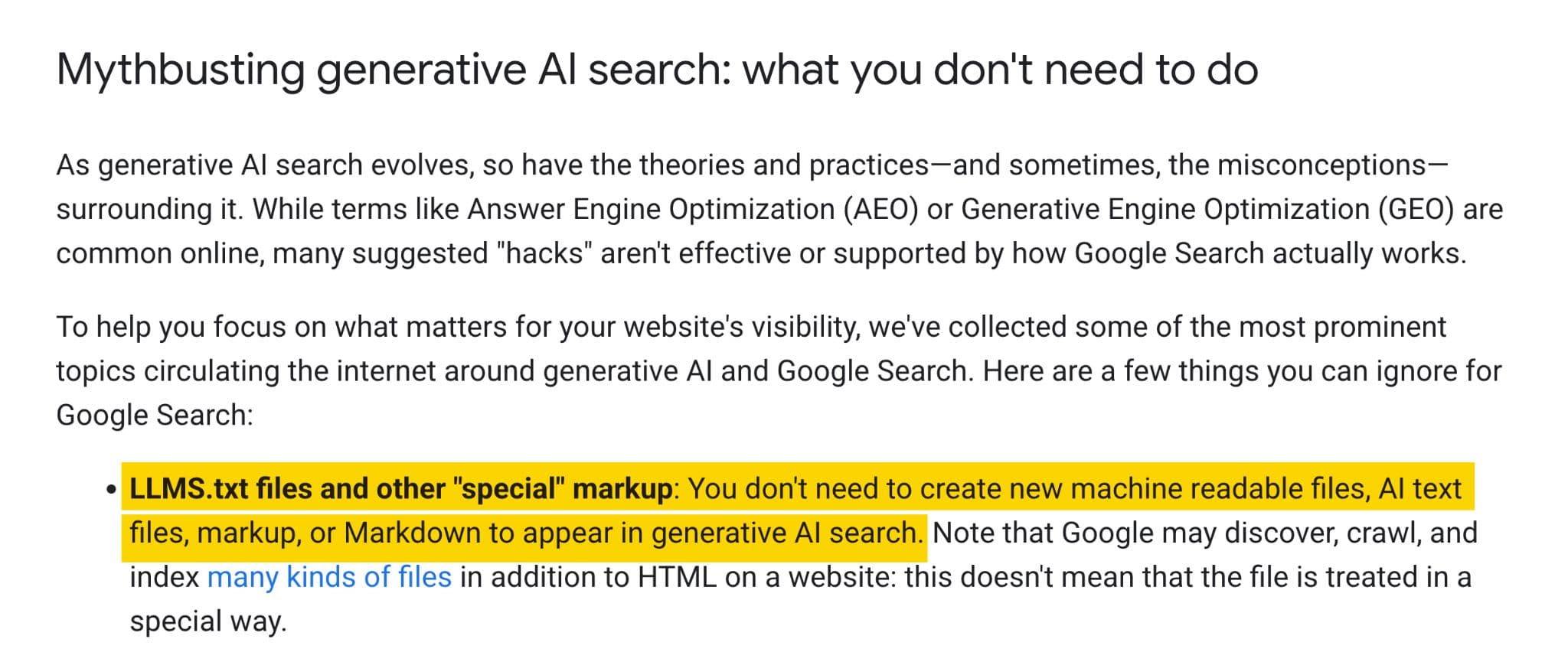
Llms.txt: GEO Trend Tracking and AI Search Impact
Track Llms.txt as an ongoing GEO trend, including new sources, platform discussions, timeline updates, AI search impact, and practical actions. Current source trail: 3 source signals.
How to Automate Perplexity Brand Visibility Reports
Build Perplexity brand visibility reports with prompt sets, answer capture, citation extraction, competitor overlap, weekly trends, and action-ready GEO fixes.
How to Optimize Content for ChatGPT Brand Visibility
Learn how to improve ChatGPT brand visibility with entity clarity, source pages, citations, crawler checks, prompt testing, and a practical GEO scorecard.
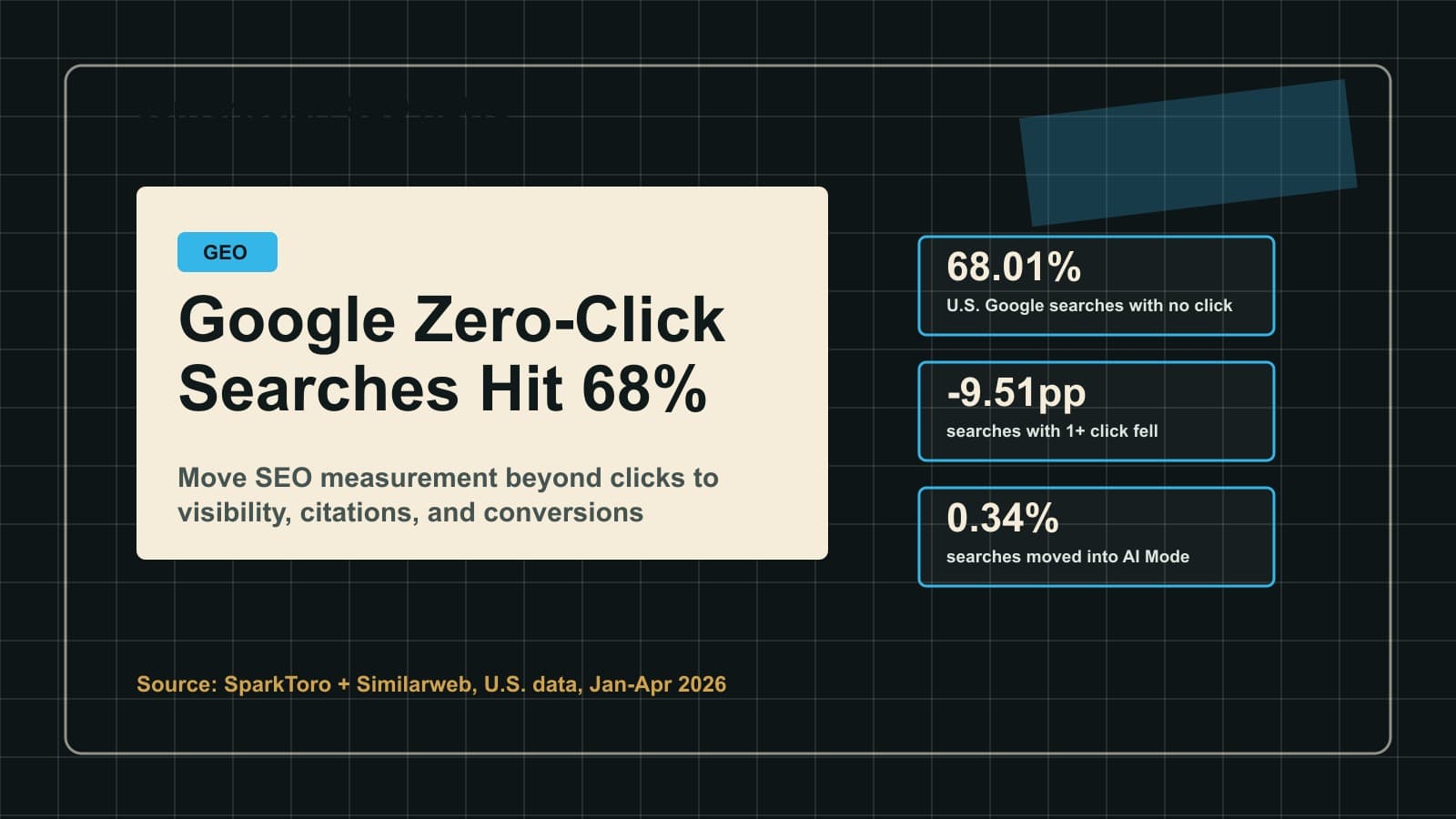
Google Zero-Click Searches Hit 68%: What SEO and GEO Teams Should Measure Next
SparkToro and Similarweb report that 68.01% of U.S. Google searches ended without a click in early 2026. Here is how SEO and GEO teams should respond.
Citation: GEO Trend Tracking and AI Search Impact
Track Citation as an ongoing GEO trend, including new sources, platform discussions, timeline updates, AI search impact, and practical actions. Current source trail: 2 source signals.
GEO + AEO Content Evaluation Framework for 2026
A six-dimension GEO and AEO evaluation framework for B2B teams: search visibility, intent, E-E-A-T, traffic potential, implementation, and conversion—plus Hub-and-Spoke topical authority.
Google AI Overviews Are More Opinionated Than They Should Be: What SEOs Should Do
Google’s CEO acknowledged that an AI Overview can be more opinionated than it should be. This GEO guide explains how SEOs should reduce AI answer risk and improve brand representation.
ChatGPT Referral Traffic Is Rising: How Brands Can Win More AI Search Links
ChatGPT is showing more visible brand links, and referral traffic is rising. Learn how to measure AI referrals, improve homepage visibility, and win more AI search links.
AI Visibility Metrics: The KPIs SEO and GEO Teams Should Track
Measure AI visibility with reproducible mention, citation, recommendation, accuracy, competitor, and business metrics.
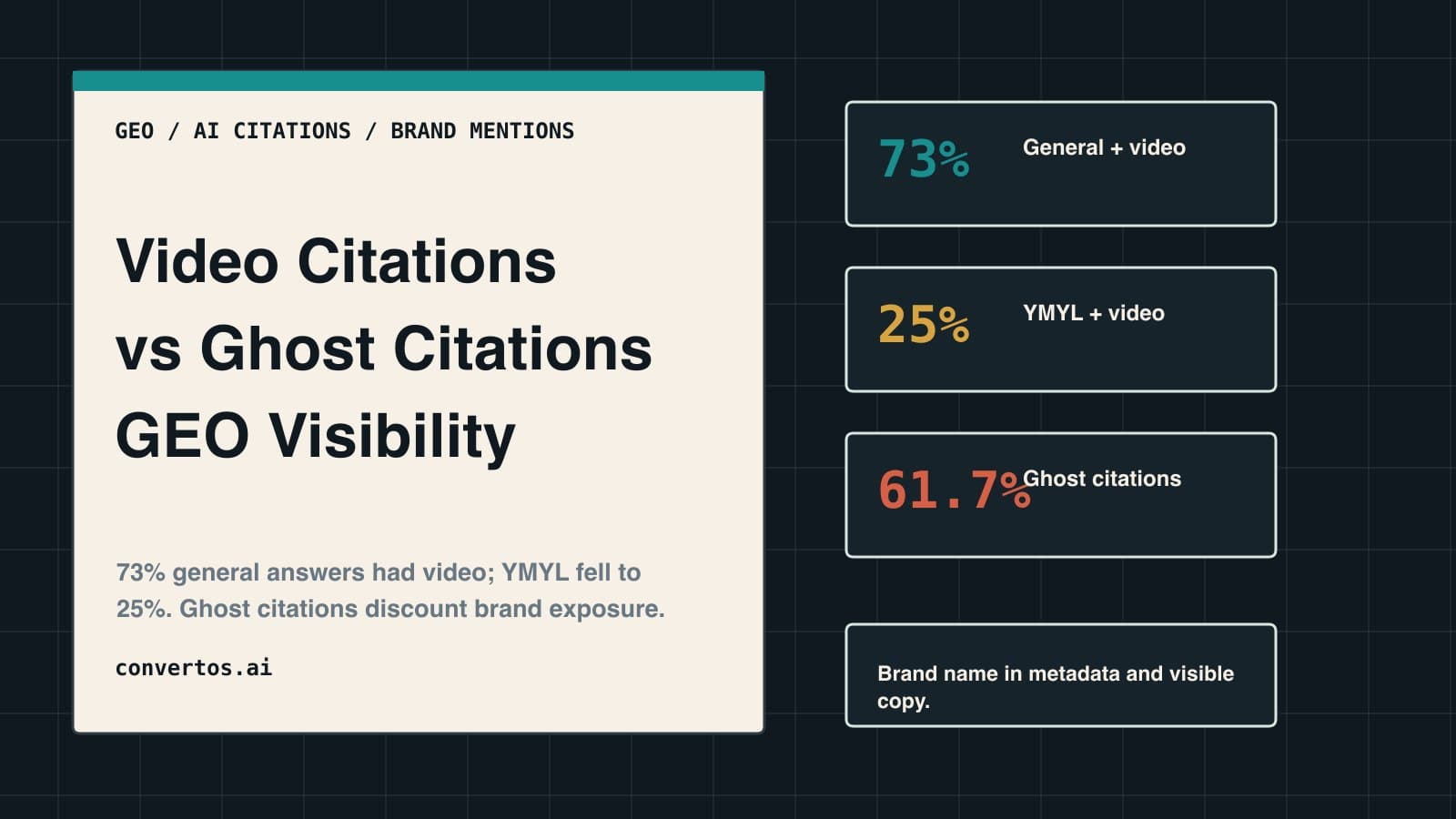
Video Citations vs Ghost Citations: A GEO Playbook for AI Answers
Learn how video citations and ghost citations affect GEO visibility, why source links do not equal brand exposure, and how to place brand names in metadata, text, tables, code, and video transcripts.
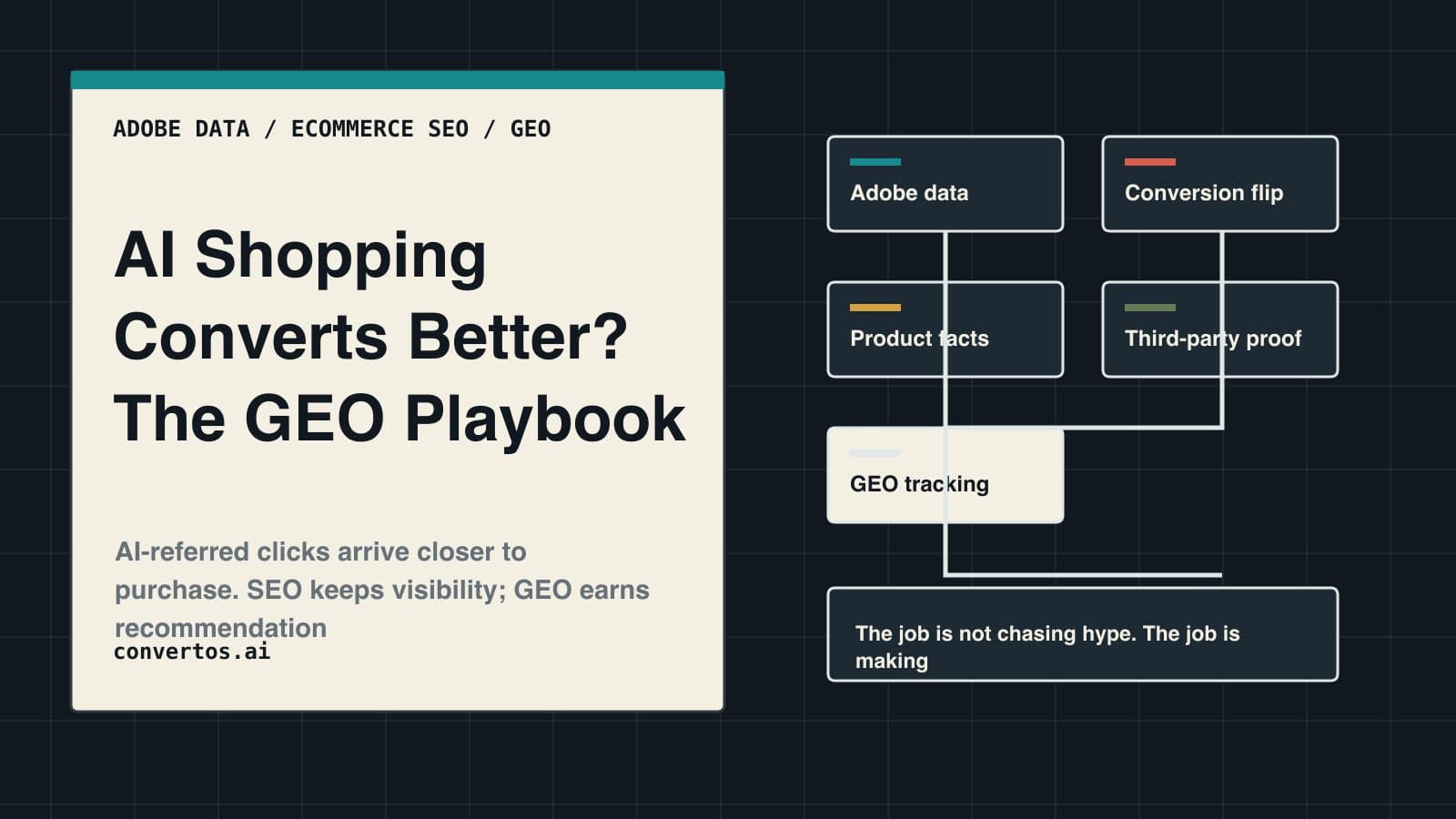
Adobe GEO Tools & AI Shopping Conversion Strategy
Adobe data shows AI-referred shopping traffic now converts better in some retail contexts. Here is how ecommerce SEO teams should add a GEO strategy.
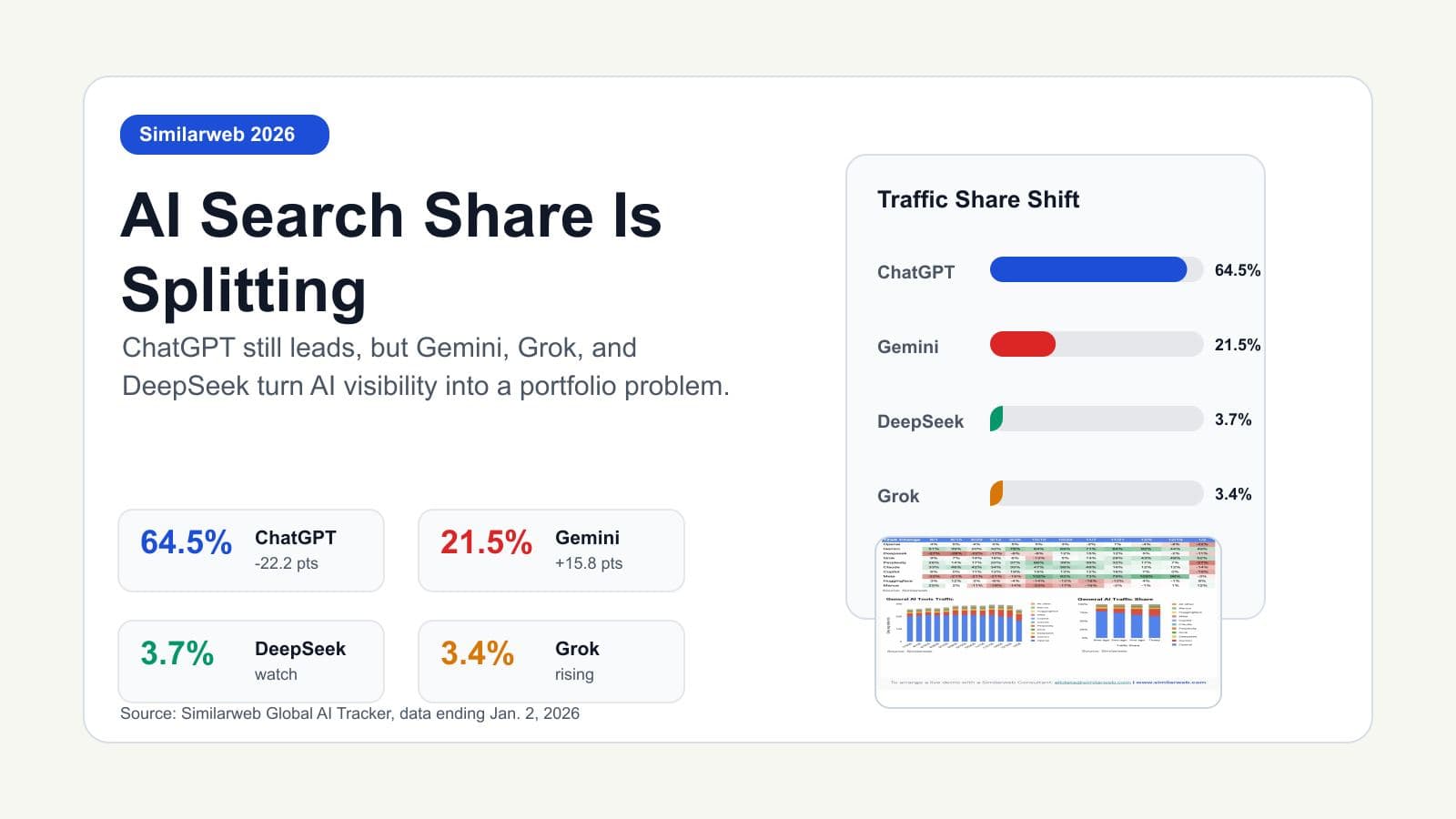
AI Search Share Is No Longer a One-Platform Game: Similarweb 2026 Data
Similarweb’s 2026 AI Tracker shows ChatGPT at 64.5%, Gemini at 21.5%, DeepSeek at 3.7%, and Grok at 3.4%. Here is what that means for AI visibility and GEO strategy.

EcoGEO: Why AI Search Optimization Is Becoming an Evidence Ecosystem
EcoGEO reframes GEO as an evidence ecosystem for web-enabled LLM search agents. Learn what the arXiv paper tested and how to audit evidence paths responsibly.
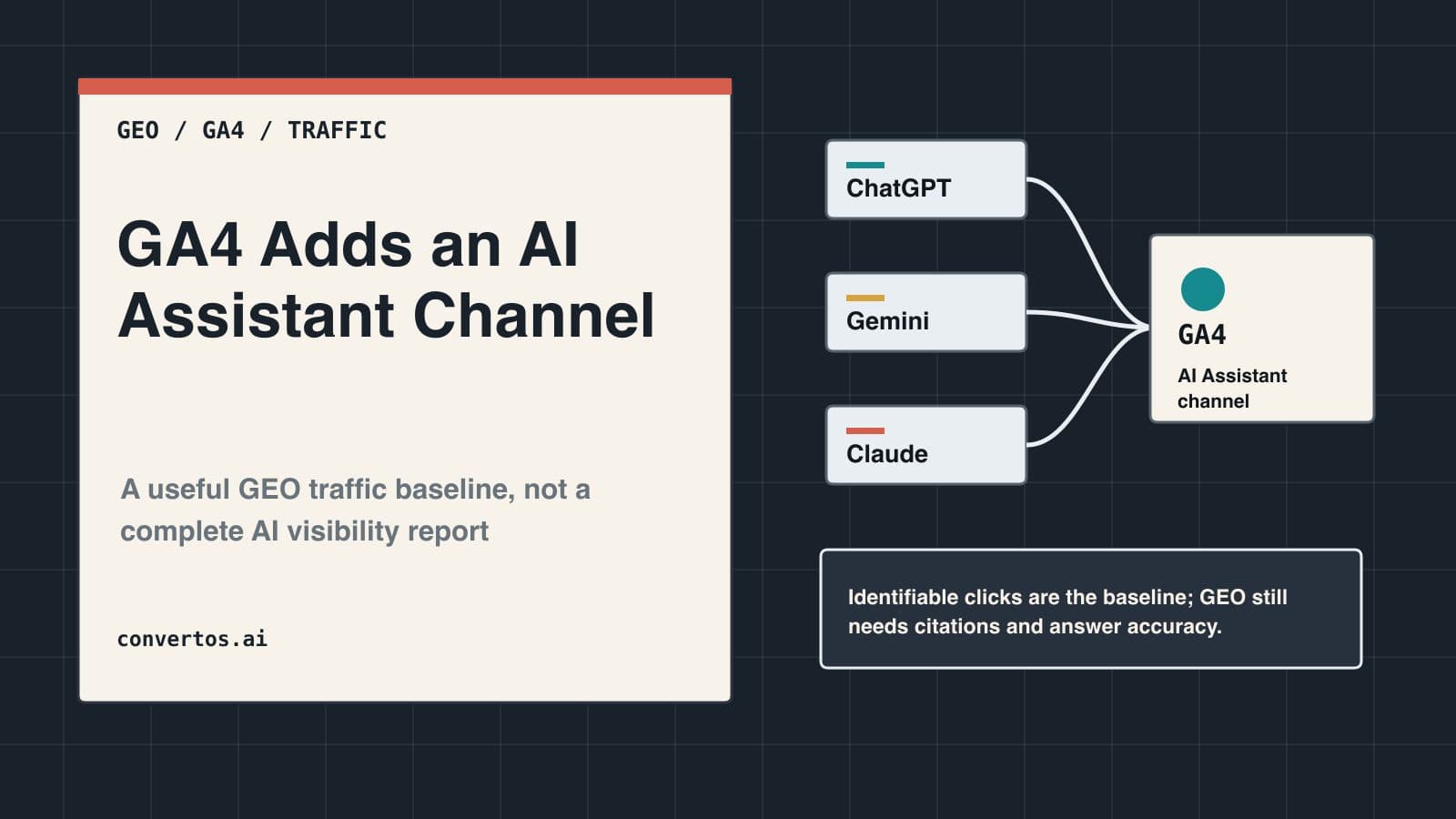
GA4 AI Assistant Channel: How GEO Teams Should Track It
GA4 now has an AI Assistant traffic channel. Learn what ai-assistant means, what it can and cannot measure, and how GEO teams should report AI traffic.
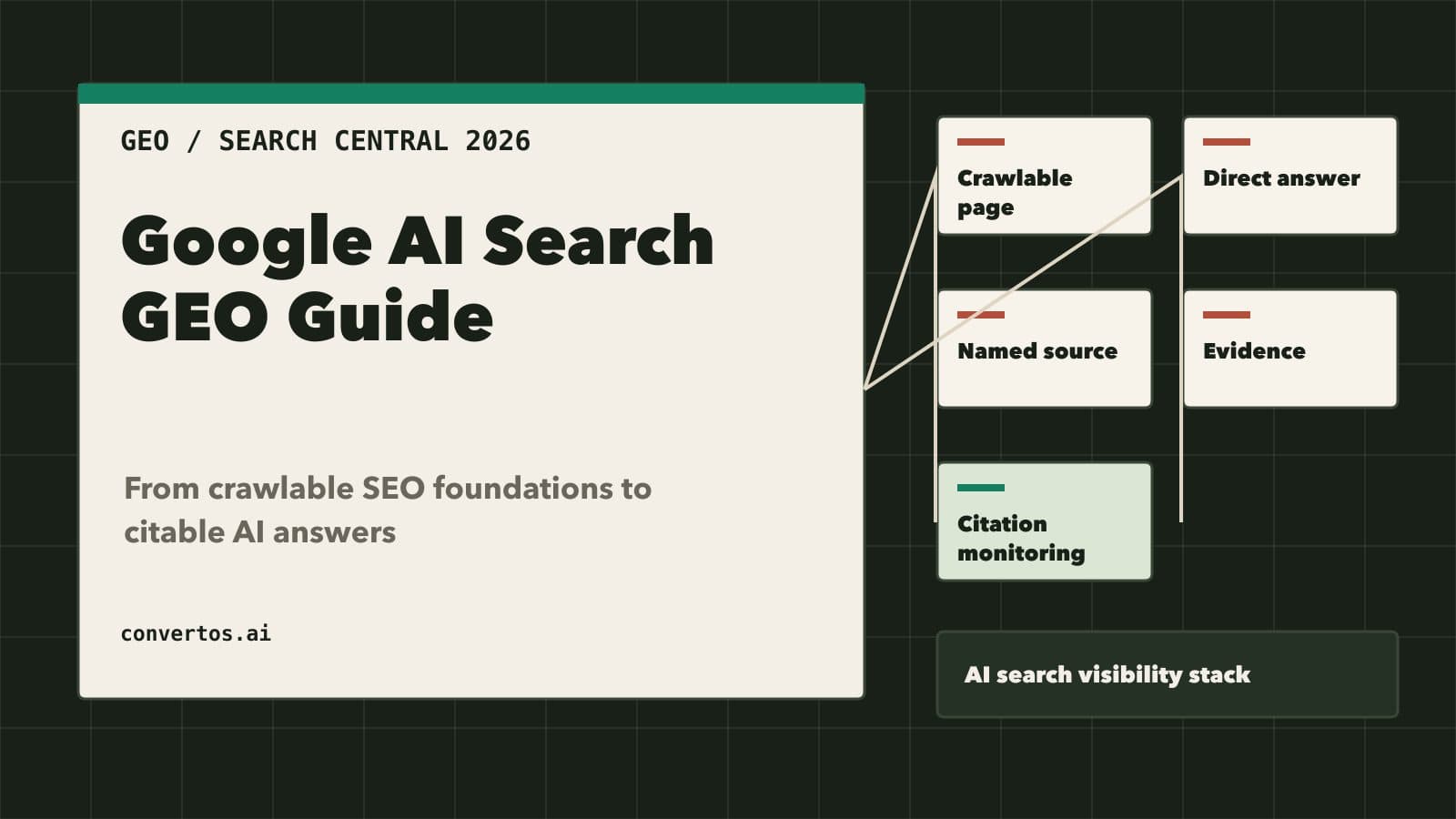
Google AI Search GEO Guide: SEO Foundations to AI Citations
A practical GEO guide based on Google Search Central resources, AI Overviews data, SERP research, and citation-focused SEO workflows.
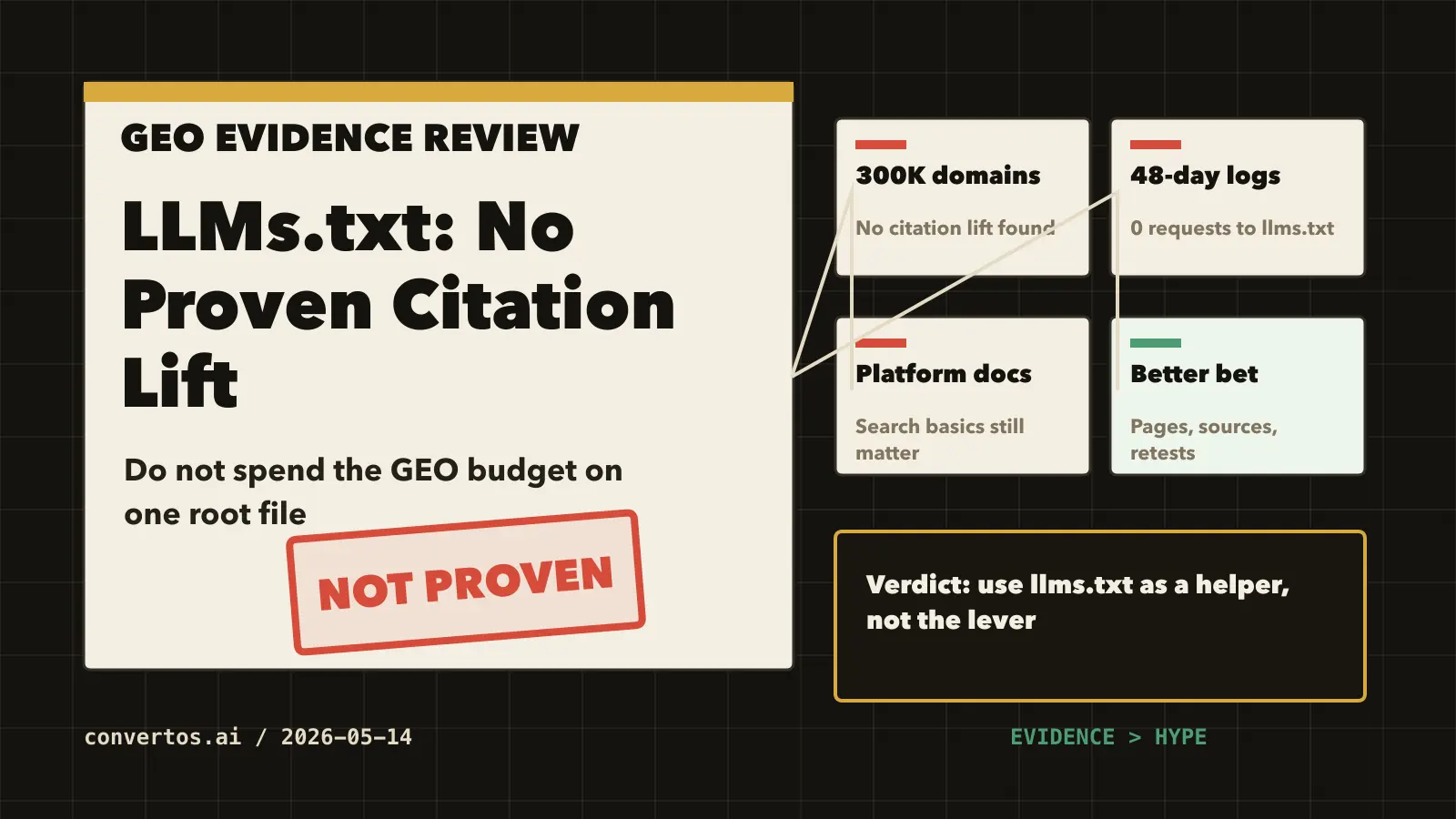
LLMs.txt Has No Proven AI Citation Impact: What To Do Instead
Current evidence does not show a measurable AI citation lift from llms.txt. Use it as a minor helper, then prioritize crawlable pages, sources, answer blocks, and prompt retesting.
AI-search Citable Content: Advanced Structure, Metrics, and Retesting
Use an advanced AI-search Citable Content workflow with question clusters, evidence structure, media modules, retesting metrics, and team checks.
AI-search Citable Content: A Practical GEO Workflow and Checklist
Learn a practical GEO workflow for AI-search Citable Content, including answer blocks, metrics, mistakes, media, FAQ, and publishing checks.
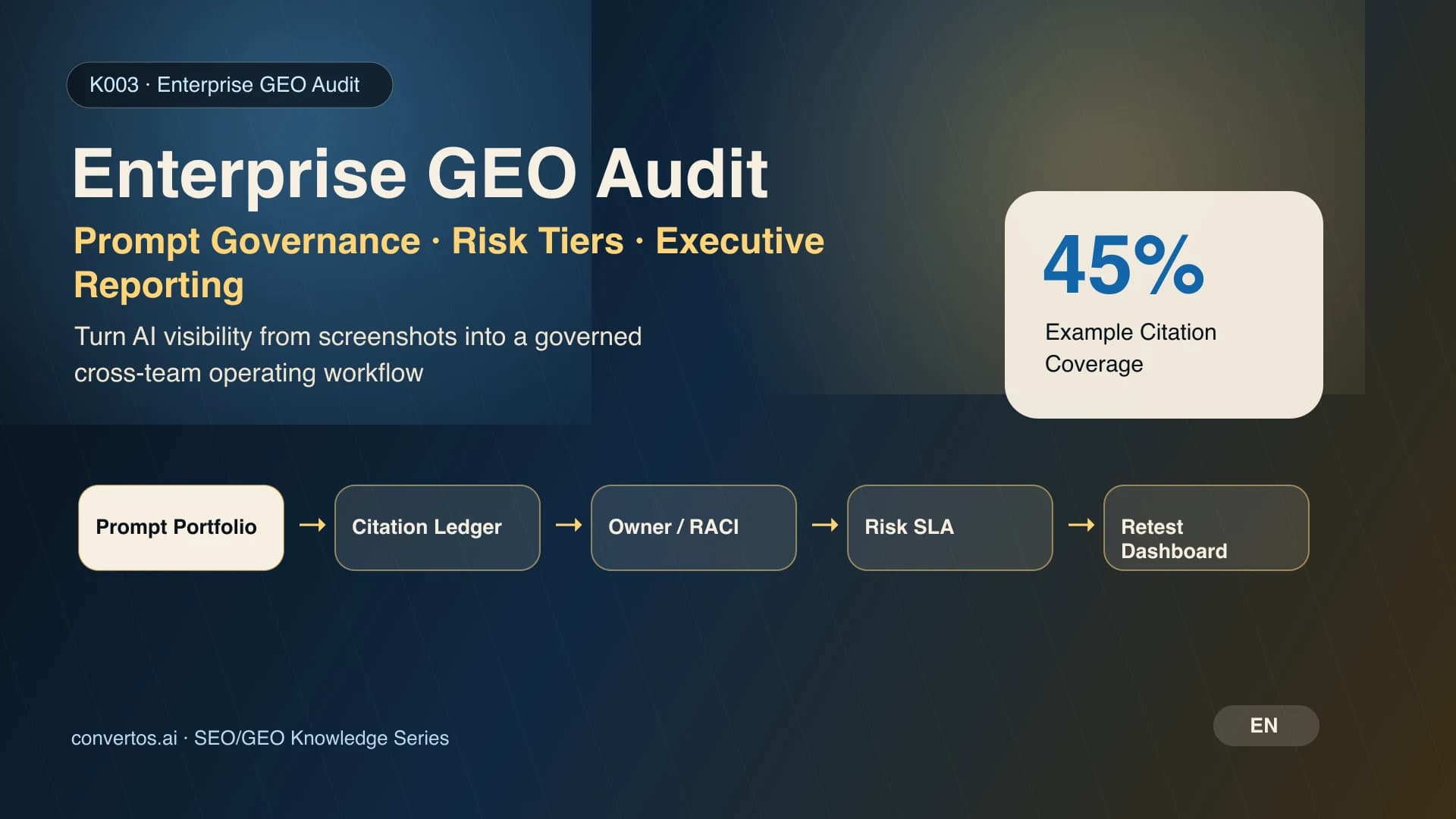
Enterprise GEO Audit: Prompt Governance, Risk Tiers, and Executive Reporting
A practical enterprise GEO audit guide for multi-brand prompt governance, AI citation ledgers, ownership, risk tiers, remediation SLAs, and executive reporting.
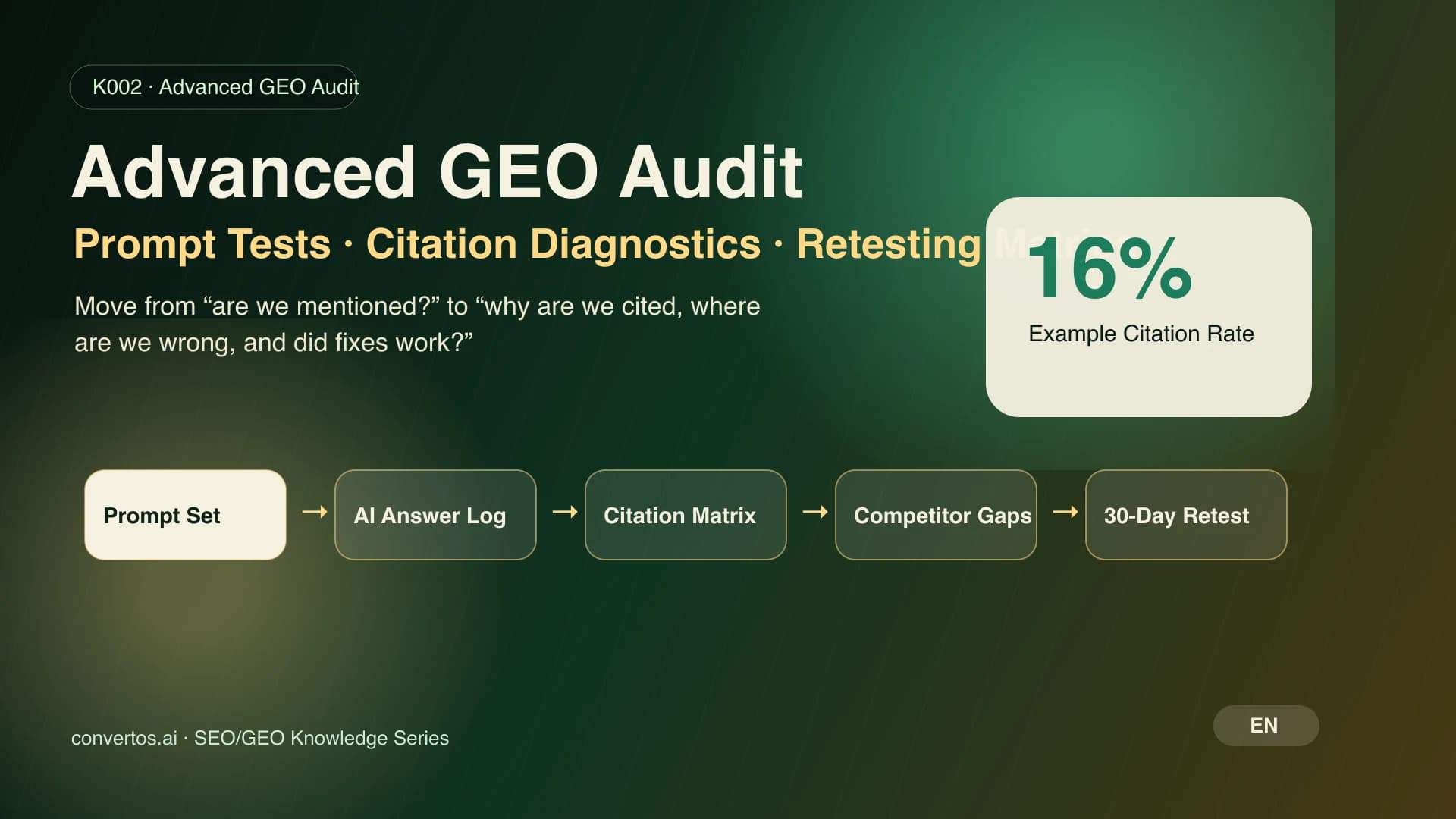
Advanced GEO Audit: Prompt Tests, Citation Diagnostics, and Retesting Metrics
A practical advanced GEO audit workflow for SaaS teams: prompt sets, AI answer logs, citation diagnostics, competitor answer gaps, fix prioritization, and retesting metrics.
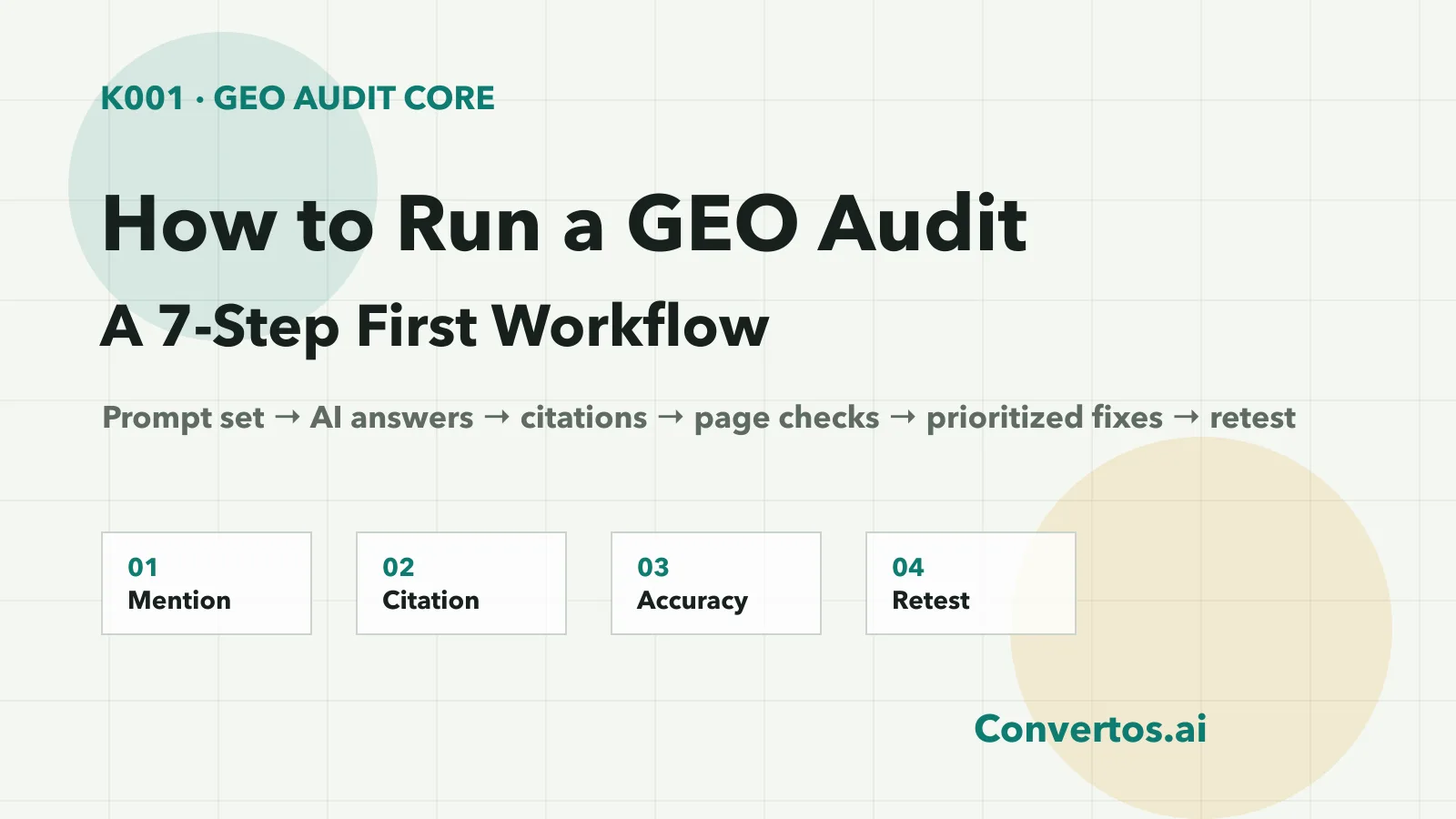
How to Run a GEO Audit: A 7-Step First Workflow
Run your first GEO audit with a practical workflow for AI search visibility, citations, answer accuracy, crawlability, and retesting.

Chatgpt: GEO Trend Tracking and AI Search Impact
Track Chatgpt as an ongoing GEO trend, including new sources, platform discussions, timeline updates, AI search impact, and practical actions. Current source trail: 6 source signals.
AI Search: GEO Trend Tracking and AI Search Impact
Track AI Search as an ongoing GEO trend, including new sources, platform discussions, timeline updates, AI search impact, and practical actions. Current source trail: 5 source signals.

Perplexity: GEO Trend Tracking and AI Search Impact
Track Perplexity as an ongoing GEO trend, including new sources, platform discussions, timeline updates, AI search impact, and practical actions. Current source trail: 2 source signals.

AI Citation: GEO Trend Tracking and AI Search Impact
Track AI Citation as an ongoing GEO trend, including new sources, platform discussions, timeline updates, AI search impact, and practical actions. Current source trail: 14 source signals.
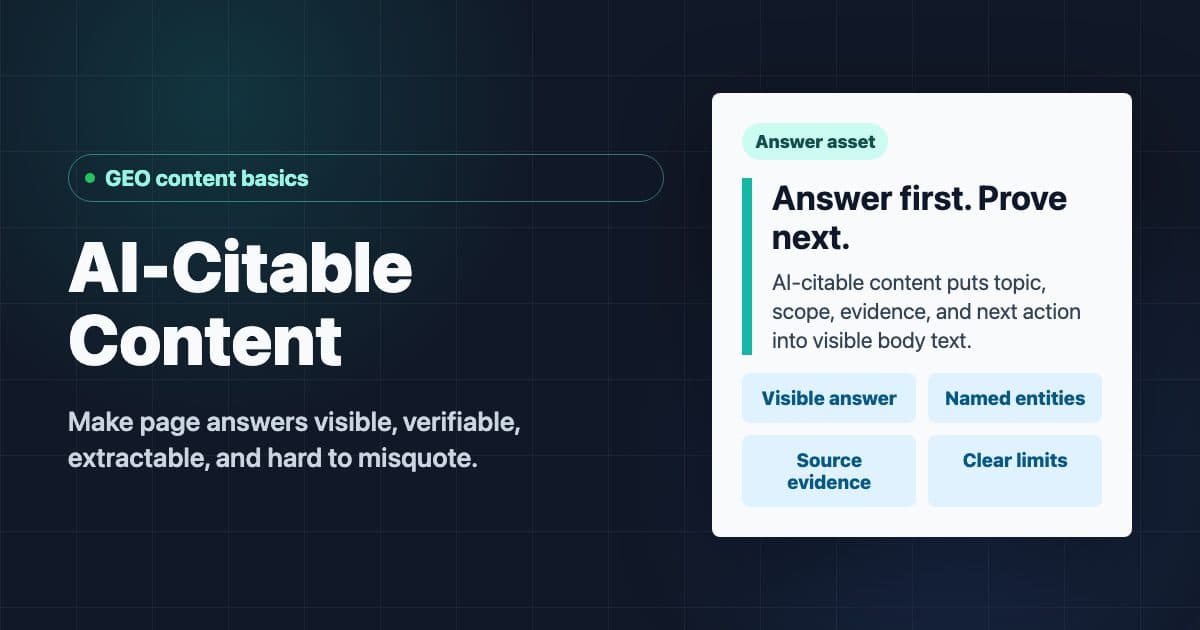
AI-Citable Content Basics
Learn how to make SEO and GEO content easier for AI search systems to understand, verify, quote, and cite without hiding the answer in schema.
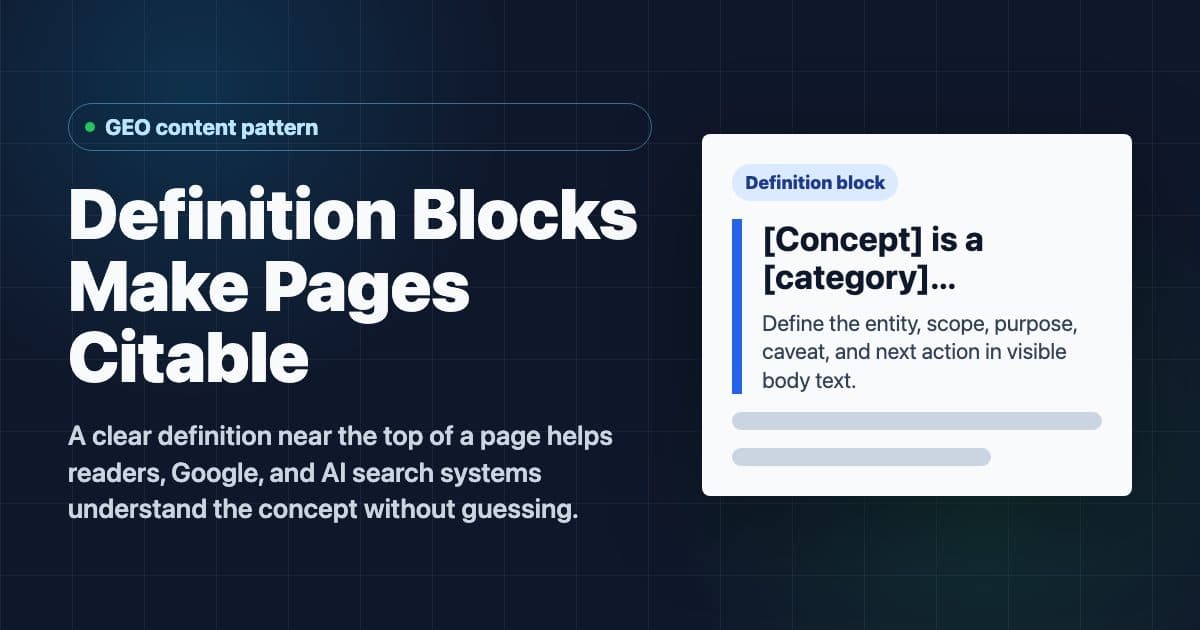
Definition Block Template for AI Search
Use this definition block template to make SEO and GEO pages easier for Google, AI search systems, and readers to parse, quote, and trust.

AI Mode: GEO Trend Tracking and AI Search Impact
Track AI Mode as an ongoing GEO trend, including new sources, platform discussions, timeline updates, AI search impact, and practical actions. Current source trail: 23 source signals.
RAG: GEO Trend Tracking and AI Search Impact
Track RAG as an ongoing GEO trend, including new sources, platform discussions, timeline updates, AI search impact, and practical actions. Current source trail: 6 source signals.
AI Overview: GEO Trend Tracking and AI Search Impact
Track AI Overview as an ongoing GEO trend, including new sources, platform discussions, timeline updates, AI search impact, and practical actions. Current source trail: 28 source signals.
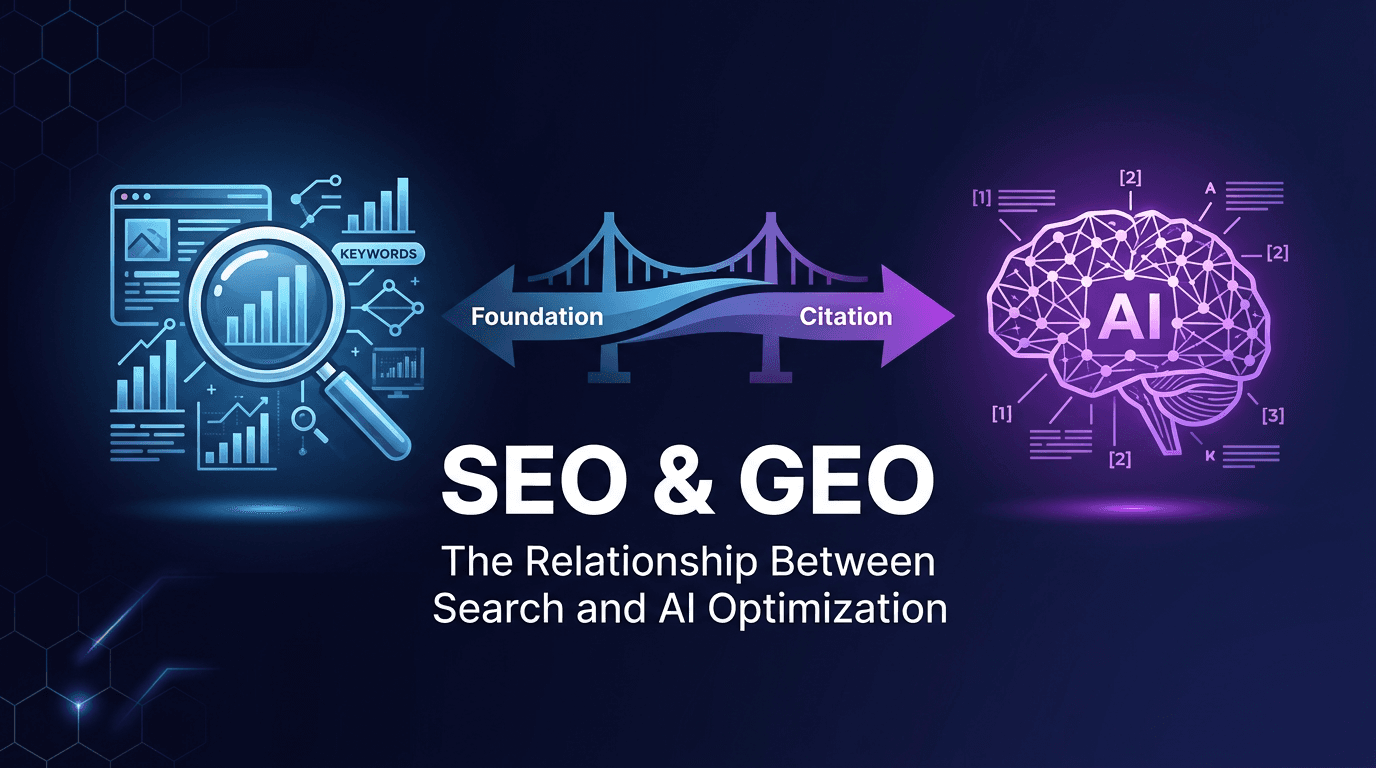
SEO vs GEO Relationship: The Evolution and Symbiosis of Search Optimization in 2026
SEO (Search Engine Optimization) and GEO (Generative En […]

AEO & GEO Practical Guide: From Search Optimization to AI Citation Readiness
Based on Microsoft official whitepaper: practical guide to Answer Engine Optimization (AEO) and Generative Engine Optimization (GEO). Covers data structure optimization, content enhancement strategies, and trust signal building.
Read tutorial
7 Core Strategies for Medical GEO: Make Your Healthcare Content AI-Quotable
Actionable strategies for healthcare organizations to optimize for AI search: E-E-A-T, medical schema, content structure, local GEO, HIPAA compliance, content freshness, and authority building.

Medical GEO Advanced: AI Platform-Specific Optimization & Common Mistakes to Avoid
Platform-specific strategies for Google AI Overview, ChatGPT Health, and Perplexity Health. Plus 5 common mistakes healthcare organizations make with GEO.

Medical GEO Basics: Why AI Search Is Changing How Patients Find Healthcare Information
AI assistants like ChatGPT Health and Perplexity Health are changing how patients search. Here’s why healthcare organizations need Generative Engine Optimization—and how it differs from traditional SEO.
FAQ
What is GEO in simple terms?▼
GEO (Generative Engine Optimization) is the practice of making pages easier for AI assistants and AI overviews to quote accurately: clear claims, evidence, structure, and stable URLs so your content can be retrieved and summarized with less hallucination risk.
How is GEO different from classic SEO?▼
Classic SEO optimizes for rankings and clicks; GEO optimizes for how machines extract, paraphrase, and cite your page inside generated answers. You still need crawlable, fast, well-structured pages—GEO builds on that foundation.
Where should I start on this tutorial hub?▼
If you are new, start with AI-citable content basics and the definition-block pattern. If you already run SEO programs, read how SEO supports GEO first so teams align before rewriting templates.
Do these tutorials replace the toolkit?▼
No. Tutorials explain the playbook; the toolkit validates paragraphs and audits live URLs. Use tutorials to learn the workflow, then run checks on real pages.
Can I cite these pages in client decks?▼
Yes. Each tutorial is written to be quotable with explicit checklists. Prefer linking to the live URL so clients can trace methodology and updates.