
Part 2 covered the 7 core strategies for making medical content AI-quotable. Now let's look at how different AI platforms handle medical content—and the common mistakes that undermine your efforts.
Part A: Platform-Specific Medical Optimization
AI assistants don't all process medical content the same way. Each platform has its own mechanisms, standards, and opportunities.Google AI Overview: The YMYL Gatekeeper
Google's AI Overview applies the strictest evaluation to health content. Here's how to optimize: How it works:- Powered by the same Search Quality Rater Guidelines that define YMYL standards [1]
- Medical queries trigger enhanced E-E-A-T evaluation
- Results include source citations with direct links
- The AI prioritizes content from recognized medical authorities
- ✅ Implement
MedicalWebPageschema on all health content - ✅ Ensure every article has a named medical author and reviewer
- ✅ Link to peer-reviewed sources (PubMed, Cochrane, clinical guidelines)
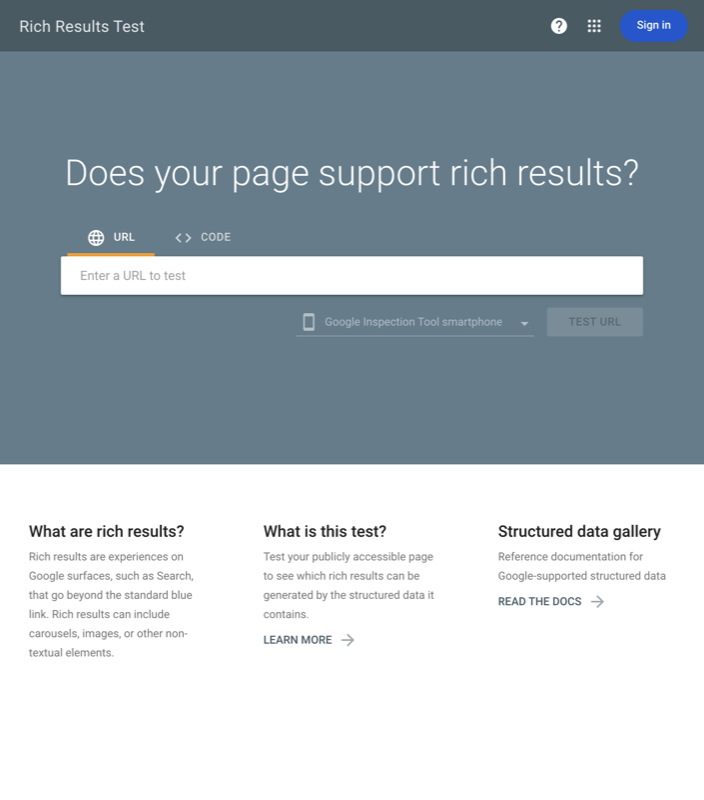
- ✅ Use Google's structured data testing tool to verify markup
- ✅ Maintain consistent entity naming across all pages
ChatGPT Health: The Conversational Medical Assistant
OpenAI's ChatGPT Health (launched January 2026) operates differently from search-based AI [2]: How it works:- Uses a dedicated "health sandbox" environment with zero training on user health data
- Tested by 260+ physicians before launch
- Integrates with medical records and fitness apps (with user consent)
- Provides personalized health insights while maintaining data isolation
- ✅ Create comprehensive FAQ-style content that mirrors patient conversations
- ✅ Use natural, conversational language (patients don't search like doctors)
- ✅ Structure content in clear question-answer format
- ✅ Include "when to see a doctor" guidance on every condition page
- ✅ Write at an 8th-grade reading level (accessible to general patients)
Perplexity Health: The Evidence-First Platform
Perplexity Health takes a different approach—it prioritizes authoritative medical literature over standard web content [3]: How it works:- Integrates data from 1.7 million healthcare providers
- Prioritizes "advanced medical literature" (clinical guidelines and peer-reviewed journals) over standard SEO-ranked pages
- Maintains a Health Advisory Board of physicians and researchers
- Explicitly states it does NOT use health data to train its AI models
- ✅ Publish or link to peer-reviewed research when possible
- ✅ Cite clinical guidelines from recognized medical associations
- ✅ Include publication dates and source links for all medical claims
- ✅ Create content that bridges clinical knowledge and patient understanding
- ✅ Partner with medical institutions to co-publish authoritative content
Part B: 5 Common Medical GEO Mistakes (And How to Avoid Them)
Mistake #1: Ignoring HIPAA Compliance in Content
The problem: Some healthcare organizations use patient testimonials, case studies, or before/after photos without proper anonymization or consent. This violates HIPAA and can result in severe penalties. The fix:- Fully anonymize all patient content (remove names, dates, locations, specific conditions)
- Obtain written consent for any identifiable patient content
- Consult with legal counsel before publishing patient-related content
- Use composite or fictional case studies when real patient data cannot be anonymized
Mistake #2: No Named Medical Author or Reviewer
The problem: Medical content published under generic bylines like "Our Editorial Team" or without any author attribution is heavily deprioritized by AI assistants. The fix:- Every medical article must have a named author with verifiable credentials
- Add a "Reviewed by [Name], [Credentials]" badge
- Create detailed author bio pages with medical credentials, specialties, and affiliations
- Link author bios to external verification sources (hospital directories, medical board listings)
Mistake #3: Outdated Medical Content (No Review Schedule)
The problem: Medical information changes rapidly. A treatment guideline from 2023 may be obsolete in 2026. AI assistants check content freshness and may deprioritize outdated information. The fix:- Implement a 90–180 day review cycle for core medical pages
- Display "Last reviewed: [Date]" on every medical page
- Log review dates in schema markup (
dateModifiedproperty) - Set up automated alerts for FDA drug approvals, clinical guideline updates, and WHO health advisories
Mistake #4: Using Traditional SEO Thinking Only
The problem: Many healthcare organizations optimize exclusively for Google rankings—focusing on keywords, meta tags, and backlinks—while ignoring AI-specific signals like structured data, entity consistency, and conversational content. The fix:- Implement medical schema markup (
MedicalWebPage,Physician,FAQPage) - Use our Medical Schema Generator for compliant markup
- Write content that answers patient questions in natural language
- Structure content for AI extraction (FAQs, comparison tables, step-by-step guides)
- Track GEO metrics alongside traditional SEO metrics
Mistake #5: Fear-Based Marketing or Exaggerated Claims
The problem: Some healthcare marketing uses fear-based messaging ("Don't ignore these warning signs!") or exaggerated outcome claims. This triggers AI safety filters and may violate FDA/state medical board regulations. The fix:- Use factual, evidence-based language
- Avoid superlatives without supporting data ("best," "most effective," "guaranteed")
- Include balanced risk-benefit information
- Follow FDA guidelines for healthcare advertising
- Include medical disclaimers on all health content pages
Platform Comparison Summary
| Feature | Google AI Overview | ChatGPT Health | Perplexity Health |
|---|---|---|---|
| Primary signal | E-E-A-T, YMYL compliance | Conversational relevance | Peer-reviewed evidence |
| Data privacy | Standard Google policies | Zero training sandbox | No health data training |
| Content preference | Authoritative sources | Plain language | Clinical literature |
| Best for | Broad medical information | Patient Q&A | Clinical decision support |
| Schema importance | Critical | Helpful | Helpful |
Series Summary: Complete Medical GEO Roadmap
| Part | Topic | Key Takeaway |
|---|---|---|
| Part 1 | Why medical GEO matters | AI search is changing how patients find healthcare—visibility ≠ quotability |
| Part 2 | 7 core strategies | E-E-A-T, schema, structure, local, compliance, freshness, authority |
| Part 3 | Platform optimization & mistakes | Each AI platform is different—optimize accordingly and avoid common pitfalls |
Final Thoughts
Medical GEO is still in its early stages. Healthcare organizations that invest in AI-optimized content now will have a significant advantage as AI health search becomes the norm. The key is to start with a solid foundation: authoritative content, proper schema markup, and a commitment to accuracy and compliance. Ready to get started? Use our free tools:- Medical Schema Generator — Create compliant structured data
- AI Citation Optimizer — Test and improve content quotability
- URL Review — Full-page audit for SEO + GEO
Frequently Asked Questions
How does ChatGPT Health differ from Google AI Overview for medical content?
ChatGPT Health uses a dedicated health sandbox with zero training on user data, prioritizes conversational plain-language content, and was tested by 260+ physicians. Google AI Overview applies the strictest YMYL evaluation and prioritizes authoritative sources with strong E-E-A-T signals.
What is the biggest mistake healthcare organizations make with GEO?
The most common mistakes are: ignoring HIPAA compliance in content, publishing without named medical authors/reviewers, not maintaining a content review schedule (leading to outdated information), relying only on traditional SEO thinking, and using fear-based marketing.
How does Perplexity Health evaluate medical content differently?
Perplexity Health prioritizes peer-reviewed medical literature and clinical guidelines over standard web content. It maintains a Health Advisory Board and explicitly states it does not use health data to train its models. Content with clinical accuracy and institutional credibility has a significant advantage.